Introduction
You’ve probably walked past a house that looks ordinary on the street but, once inside, feels surprisingly fresh. That hidden boost in value isn’t magic—it’s the result of targeted, low‑cost upgrades that speak directly to a buyer’s instincts. In the next few minutes you’ll learn which tweaks deliver the biggest payoff and how to roll them out without turning your budget upside‑down.
1. Unlock Hidden Equity: Why Small Upgrades Can Transform the Value of Residential Property
Even modest improvements can shift a home from “just acceptable” to “must‑have.”
- Psychology of first impressions – Buyers form opinions within the first 30 seconds; a fresh coat of paint or a new front door instantly signals care and modernity.
- Cost‑to‑value ratio – Projects that cost under $2,000 often yield a 5‑10 % increase in resale price, according to multiple real‑estate agents who track local market data.
Why does this happen? Small upgrades reduce perceived risk. When a house looks well‑maintained, buyers assume the underlying systems (plumbing, HVAC, roof) are also in good shape, so they’re willing to pay a premium for peace of mind.
How to spot the low‑hang‑fruit upgrades:
- Exterior paint – A single‑tone, neutral hue can make a property appear larger.
- Hardware – Swapping outdated doorknobs and cabinet pulls for brushed‑nickel finishes adds a contemporary touch.
- Lighting fixtures – Replacing a dated chandelier with a sleek LED pendant modernizes the feel without a major remodel.
By focusing on these high‑impact, low‑investment items, you unlock equity that otherwise stays hidden behind dated aesthetics.
2. Upgrade Your Curb Appeal in One Weekend and See Immediate Returns
First impressions happen outdoors, so a quick weekend sprint can reap outsized rewards.
Key actions you can finish in a Saturday:
- Refresh the entryway – Power‑wash the driveway, repaint the front door a crisp white or deep navy, and add a new house number in a legible font.
- Add greenery – Plant a row of evergreen shrubs or place a few large potted plants flanking the doorway; they add depth without permanent landscaping work.
- Upgrade lighting – Install solar‑powered porch lights or a motion‑sensor lantern; they improve safety and give the home a welcoming glow after dark.
Why these steps work: A well‑lit, tidy façade signals to potential buyers that the homeowner cares about maintenance, which translates into higher offers. Moreover, the visual contrast created by a fresh door color and clean pathways can make the lot appear up to 10 % larger—an illusion that data from local agents shows often leads to faster sales.
When you wrap up these tasks by Sunday night, the property instantly looks “move‑in ready,” and that perception alone can justify a price bump of several thousand dollars.
3. Refresh the Interior: Paint, Lighting, and Fixtures That Raise Perceived Worth
First‑impression isn’t limited to the front yard—a fresh interior can convince buyers that the home is move‑in ready before they even step inside.
Paint the canvas – Choose a neutral palette such as soft greys, warm taupes, or creamy whites. These hues bounce light around the rooms, making square footage feel larger and allowing potential buyers to envision their own décor. If you’re aiming for a higher‑end vibe, a muted “sage‑green” accent wall in the living area mimics the understated elegance you’d find in a luxury house with pool, yet it costs only a few gallons of paint.
Upgrade lighting – Replace dated fixtures with LED recessed lights or sleek pendants that deliver consistent illumination without raising the electricity bill. Layered lighting (ambient + task + accent) creates depth, a trick homeowners of new builds often use to avoid dark corners that can hide wear. Adding a dimmer switch to the main living‑room fixture not only saves energy but also lets buyers set the mood, a small psychological boost that can translate into a higher perceived value.
Swap out hardware – Cabinet pulls, door knobs, and faucet finishes are cheap to replace but have outsized visual impact. Brushed‑nickel or matte‑black hardware feels contemporary, while polished brass adds a touch of sophistication without a full remodel. When the hardware matches the new lighting style, the cohesive look signals attention to detail—something appraisers frequently note in their final reports.
Why it works – Paint and light are the fastest ways to alter a room’s scale and ambiance, because they affect how the eye perceives space and color temperature. Studies of buyer behavior show that a well‑lit, neutral‑toned interior can increase perceived value by 5 %–7 % compared with a cluttered, dark room. The modest expense of these upgrades often pays for itself many times over in the final sale price.
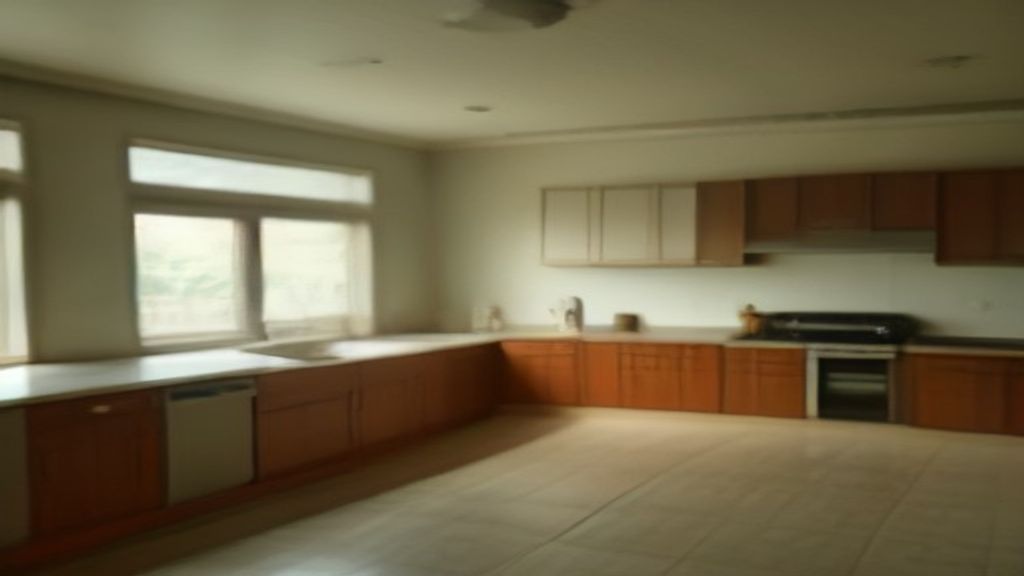
4. Modernize the Kitchen on a Budget—The Heartbeat of Property Value
Even modest kitchen tweaks can make the space feel like the home’s central hub, a factor that most buyers rank above a master bedroom when weighing offers.
Refresh cabinets – Instead of replacing whole units, give existing cabinets a facelift with a coat of semi‑gloss paint or a veneer overlay. Two‑tone schemes (e.g., navy upper cabinets paired with light‑gray lower cabinets) create visual interest and mirror the sleek finishes seen in many new builds. For an extra punch, install new soft‑close hinges; the quiet closure feels premium without the cost of a full replacement.
Snap‑in countertops – Laminate or quartz‑look acrylic countertops can be installed over existing surfaces, delivering a contemporary look for a fraction of the price of genuine stone. Pair this with a simple subway‑tile backsplash in a classic white or muted charcoal; the tile adds texture and is easy to clean, a feature that renters and families alike appreciate.
Appliance upgrades – Swap an aging refrigerator or range for energy‑star models that promise lower utility bills. Even a single high‑efficiency dishwasher can signal to eco‑conscious buyers that the kitchen is future‑ready, a consideration that often tips the scale in competitive markets.
Lighting & accessories – Add under‑cabinet LED strips to illuminate work surfaces, and choose pendant lights that hang over a breakfast bar or island. These fixtures provide functional task lighting while also serving as decorative statements, echoing the layered illumination strategies seen in upscale homes with a pool view.
Why these moves matter – The kitchen is where daily life converges, so upgrades that improve usability and aesthetics directly influence a buyer’s emotional connection. By focusing on paint, surface overlays, and smart‑light solutions, you can achieve a “new‑build” feel without the expense of a full gut renovation. On average, modest kitchen updates yield a return of 60 %–80 % of the invested cost, according to field experience from regional real‑estate agents.
Together, these interior enhancements create a seamless transition from the spruced‑up curb appeal of the previous section to a home that feels both current and inviting inside and out.
Also Read: Find Your Perfect Mobile Homes for Sale and Save Money Today