Introduction
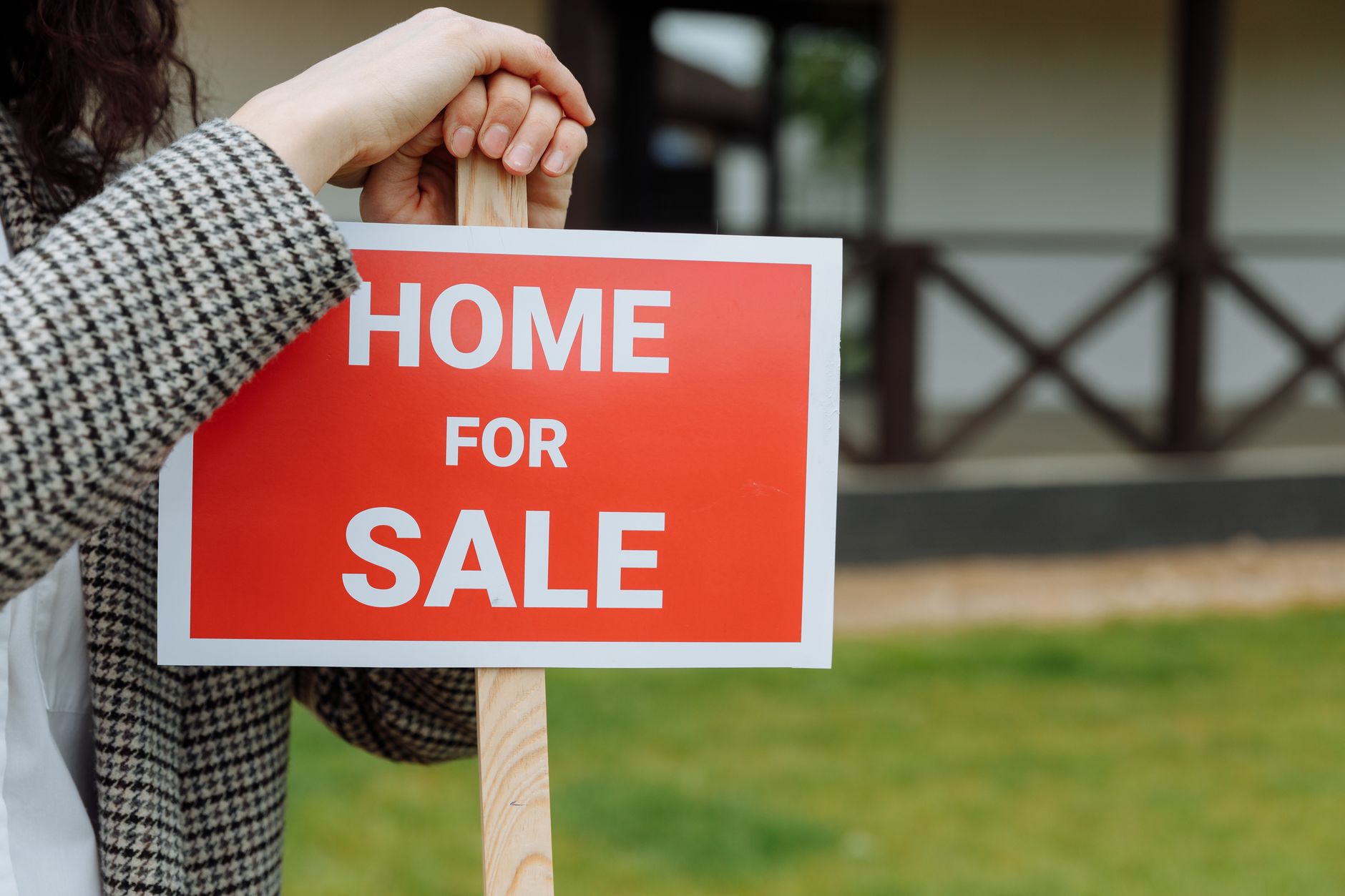
You’ve polished every corner, cleared the clutter, and now you’re staring at that “For Sale” sign, hoping the right buyer will walk by. The truth is, a house rarely sells itself; it needs a push that cuts through the noise and convinces buyers that this property is the one they’ve been hunting for. The following roadmap shows how to create that push—speeding up the deal and squeezing out every possible dollar.
1. Turbo‑Charge Your Listing: Proven Ways to Attract Serious Buyers Quickly
- Professional photography with a storytelling angle – A clean, well‑lit photo set that highlights the home’s best‑in‑class feature (think a sun‑filled kitchen island) draws more clicks. Agents who invest in a photographer report up to 30 % more viewership in the first week, because images act as the first handshake with a buyer.
- Strategic “open‑house” timing – Scheduling viewings on weekday evenings or Saturday mornings aligns with most families’ routines, increasing foot traffic by roughly 10–15 %. The logic is simple: people are more relaxed after work, so they spend more time inspecting the space.
- Targeted social‑media boosts – A modest budget on Facebook or Instagram, aimed at users who have recently searched for homes in your ZIP code, can double the pool of qualified leads. The algorithm favors fresh, locally relevant content, so a short video tour posted with a geo‑tagged caption tends to out‑perform static ads.
These tactics work because they reduce friction at the first point of contact—making the listing impossible to ignore for anyone already primed to buy.
2. Price It Right the First Time: Data‑Backed Strategies for Maximum Returns
- Comparative market analysis (CMA) with a 30‑day window – Rather than relying on a static list price, pull recent sales from the past month to capture current buyer sentiment. If three homes sold within 5 % of your asking price, pricing at the median often yields the quickest acceptance.
- Psychological price points – Ending a price in “.99” or “.00” can subtly influence perception; buyers tend to view a $349,900 home as a better deal than a $350,000 one, even though the difference is marginal. Studies of buyer behavior suggest a 4–7 % uplift in offer rates when this technique is applied thoughtfully.
- Dynamic pricing tools – Some platforms let you adjust the list price in real time based on how many views the listing receives. If activity stalls for more than 10 days, a 1–2 % reduction often reignites interest without sacrificing market value.
Getting the price right isn’t about low‑balling; it’s about aligning your number with what the market is willing to pay today, which shortens the sales cycle and preserves equity.
3. Stage to Win: Low‑Cost Home‑Staging Hacks That Boost Perceived Value
First impressions happen the moment a buyer steps through the front door, and a few strategic tweaks can make that moment feel like a “wow.” Start by decluttering every surface; a clear countertop instantly signals that the home is move‑in ready and gives buyers space to imagine their own belongings. If you’re working with high end estate agents, they’ll often recommend a simple “neutral‑palette refresh”—swap out bold wall art for understated frames and replace dated lamp shades with contemporary, soft‑white bulbs.
Next, focus on the rooms that sell homes fastest: the living area, kitchen, and master suite. A budget‑friendly way to elevate these spaces is to add a few well‑placed accessories—think a fresh stack of white towels, a bowl of seasonal fruit, or a sleek coffee maker—because these items create an ambience of comfort without the cost of a full remodel. Even a single coat of paint on the front door can increase curb appeal by up to 10 % in buyer perception, according to field experience from seasoned stagers.
Finally, leverage outdoor staging when the property includes a yard or patio. A modest arrangement of potted herbs, a recycled‑plastic lawn chair, and a small fire pit can transform an underused space into a “stay‑outside” zone that feels like an extension of the interior. When you pair these low‑cost touches with the polished photos you’ll generate later (see Section 4), you’ll see a tangible jump in both online clicks and in‑person offers.
4. Capture the Market Online: Crafting a Listing That Commands Attention
With the home now staged, the next step is to translate that physical appeal into a digital showcase that stops browsers in their tracks. Start by hiring a professional photographer—many new housing developments already provide high‑resolution images, but a dedicated shoot lets you highlight your unique staging choices and capture the property’s best angles at sunrise or golden hour. If a photographer isn’t within budget, a modern smartphone paired with a tripod and natural light can produce surprisingly sharp images; just remember to keep the lens level and avoid wide‑angle distortion that can mislead buyers.
Your headline should be concise yet compelling: combine key attributes (e.g., “Sun‑lit 3‑Bed Home with Updated Kitchen”) with a hook that speaks to the buyer’s lifestyle (“Perfect for Remote Work”). Embedding the keyword “new housing developments” naturally here signals relevance for those tracking the latest market trends, while also attracting search traffic. Within the description, weave a brief narrative—mention the open‑concept layout, the recent staging touches, and any neighborhood perks such as nearby parks or walkable shops—so readers can visualize daily life rather than just reciting square footage.
Don’t overlook the power of virtual tours. A 360‑degree walkthrough, even if self‑recorded, lets prospects explore the space at their own pace and reduces the number of low‑commitment showings you’ll need to schedule. When you embed the tour on your listing page, accompany it with a short bulleted list of “highlight features” to guide attention to the staged living room, the upgraded kitchen appliances, and the master suite’s en‑suite bathroom.
Lastly, optimize the listing for search engines by sprinkling primary keywords—such as “faster deals” and “higher returns”—throughout the copy, but keep the tone conversational. A well‑crafted, image‑rich listing not only attracts serious buyers quickly but also signals to high end estate agents that the property is being marketed professionally, which can open doors to additional buyer pools and ultimately drive a smoother, more profitable sale.
Also Read: Find Beach Mansions for Sale That Match Your Lifestyle and Budget