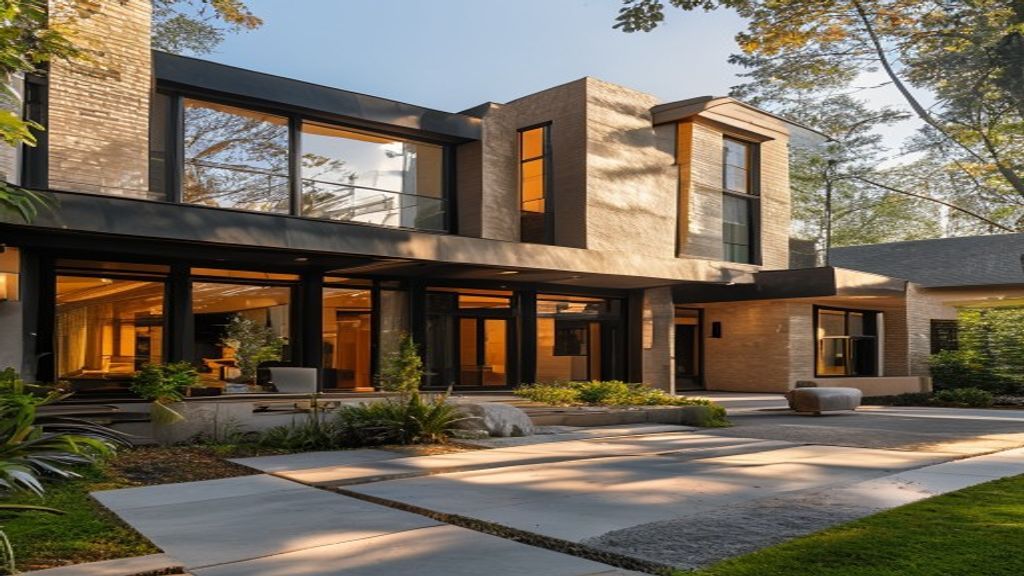
Introduction – Why Spotting the Right Posh Houses Matters
A single conversation at a downtown brunch once turned a modest rental portfolio into a six‑figure payday. The secret? Recognizing a posh house that behaved like a cash‑cow instead of a vanity trophy. In the luxury market, glamour can mask risk, and a disciplined eye is the only tool that separates profit from disappointment. Below, we break down the exact checkpoints you need before you sign a line‑item on any upscale property.
1. Unlock the Hidden Value in Posh Houses: What Sets a True Investment Gem Apart
A posh house isn’t just about marble countertops or a gated driveway; it’s a blend of three core characteristics that together dictate upside potential.
- Location prestige – Proximity to elite schools, high‑end retail corridors, and low‑density neighborhoods creates a built‑in demand buffer. For example, a townhouse in a historic district of Charleston consistently outperforms a newer condo on the same street because buyers prize the “address” as much as the interior.
- Architectural pedigree – Original design by a recognized architect or a distinct period style (e.g., Mid‑Century Modern) adds intangible cachet. Buyers often pay a premium for authenticity, and a well‑documented provenance can accelerate resale when trends swing back toward classic aesthetics.
- Upgrade potential – Even the most polished estate can harbor hidden margins. Look for structural layouts that allow an additional bedroom, a flexible floor plan that can accommodate a home office, or outdated mechanical systems that can be replaced with energy‑efficient upgrades. The difference between a $2.5 M purchase and a $2.1 M renovation budget can translate into a 15‑20 % boost in after‑repair value.
Think of these traits as a three‑point checklist. If a property ticks at least two, you’re likely looking at a genuine investment rather than a status symbol.
2. Map the Market Hotspots: Where the Most Profitable Posh Houses Are Concentrated
Identifying the right neighborhoods is half the battle. Data‑driven signals help you see beyond the glossy brochures and pinpoint zones where demand is accelerating.
- High‑demand districts – Areas with a low inventory turnover, such as Manhattan’s Upper East Side or Los Angeles’ Beverly Grove, consistently command tight spreads between asking and sale price. A low vacancy rate (often under 3 %) signals that renters or buyers are actively competing.
- Emerging luxury enclaves – Look for suburbs undergoing infrastructure upgrades—new commuter rail stations, upscale retail pipelines, or municipal incentives for historic preservation. The Austin suburb of Westlake, for instance, saw a 12 % price uplift in just 18 months after a major tech campus opened nearby.
- Data‑driven signals – Track median price growth, rental yield trends, and the volume of high‑net‑worth buyer inquiries. Platforms like Zillow and Redfin publish “price‑trend heat maps,” while local MLS reports reveal the proportion of cash versus financed purchases—a high cash‑buy ratio often indicates investor confidence.
By layering these data points, you can draw a heat map of posh houses that are not only beautiful but also primed for appreciation. The goal is to locate properties where the market momentum supports both short‑term cash flow and long‑term equity gains.
3. Crunch the Numbers Before You Tour: Quick ROI Calculators for Posh Houses
Before you step onto the marble foyer, let the spreadsheet do the heavy lifting. A simple worksheet—no fancy software required—will tell you whether the property is a true cash‑cow or just a vanity purchase.
| Input | Typical Range for Posh Houses | Why It Matters |
|———–|———————————–|——————–|
| Purchase price | $1.2 M – $4.5 M | Sets the capital base you’ll be leveraging. |
| Renovation budget | 5 % – 12 % of price | A realistic figure accounts for both cosmetic upgrades and any hidden structural work. |
| Expected monthly rent (short‑term) | $8 k – $20 k | High‑end rentals often command premium nightly rates; factor in occupancy seasonality. |
| Annual operating costs (taxes, insurance, management) | 2 % – 3 % of purchase price | Ignoring these eats into cash‑on‑cash returns fast. |
| Resale premium (post‑renovation) | 8 % – 15 % | Reflects the added value of a well‑executed upgrade package. |
Step‑by‑step calculation
- Add purchase price + renovation budget – this is your total cash outlay.
- Multiply expected monthly rent by 12 to get gross annual rental income.
- Subtract operating costs to arrive at net operating income (NOI).
- Divide NOI by total cash outlay → gives you the cash‑on‑cash return (%).
- Add the resale premium to the NOI if you plan to flip after 2‑3 years; the combined figure shows the blended ROI.
Interpreting the result
- Below 6 % – The numbers suggest the property may be overpriced or the upgrades insufficient.
- 6 % – 10 % – A solid baseline; look for additional upside—perhaps a short‑term rental license or a tax abatement.
- Above 10 % – You’ve likely uncovered a “posh house” with strong upside potential; proceed to the on‑site inspection.
A quick tip from seasoned investors: when the renovation budget spikes past 12 % of the purchase price, pause and reassess. In many cases, house building companies can advise whether a redesign is structurally necessary or merely cosmetic, saving you from over‑investing.
4. Spot Renovation Goldmines: Identifying Cosmetic vs. Structural Upgrades in Luxury Homes
The difference between a modest refresh and a value‑adding overhaul often lies in the details you can see at first glance—and those hidden behind the walls.
Cosmetic clues that boost appeal with minimal expense
- Outdated fixtures – Brass taps, antiquated lighting, and dated hardware can be swapped for modern, energy‑efficient alternatives in a weekend.
- Wallpaper remnants – Peel‑back old paper to reveal pristine drywall; a fresh coat of paint instantly modernises a room.
- Obsolete floor plans – Open‑concept living is now the norm. Removing a non‑load‑bearing wall can add 150–200 sq ft of usable space, especially valuable in luxury country homes where entertaining space commands a premium.
These upgrades typically stay under the 5 % renovation threshold and deliver quick rent or resale bumps.
Structural red flags that demand deeper money and expertise
- Sagging foundations or uneven floors – Even a slight dip can signal settlement issues; a structural engineer’s assessment is non‑negotiable.
- Outdated HVAC or electrical systems – Older than 15 years often lack efficiency standards and may not meet local code for high‑value properties. Replacing them can consume 8 %–10 % of the total budget but is essential for buyer confidence.
- Roof leaks or compromised envelope – Water intrusion is a silent killer; a compromised roof can erode the entire ROI calculation if left unchecked.
When a posh house presents any of these signs, weigh the cost of remediation against the resale premium you expect. In many markets, investors who partner with reputable house building companies can negotiate bulk material discounts, turning what looks like a costly repair into a value‑add catalyst.
Quick “Goldmine” checklist for the walkthrough
- Walk the perimeter – Look for cracks, warped frames, and drainage issues.
- Inspect the kitchen and baths – Count the number of modern appliances; the older the suite, the higher the upside.
- Test the light – Flickering or dim spots often point to outdated wiring.
- Listen for noises – Creaks or hums can hint at structural stress.
If the majority of issues are cosmetic, you’re likely staring at a renovation goldmine: a modest spend will unlock a disproportionate rent increase or resale bump. If structural concerns dominate, pause, recalculate your ROI worksheet, and decide whether the premium you’ll command justifies the deeper investment.
By mastering this split‑second assessment, you turn every posh house visit into a data‑driven decision point—one that separates savvy investors from dreamers.
As you embark on your journey to uncover and capitalize on the most lucrative posh houses, remember that the key to unlocking substantial returns lies not just in identifying these gems, but in meticulously navigating every step of the investment process. By understanding what sets a true investment gem apart, mapping market hotspots, crunching the numbers, and expertly renovating, negotiating, and managing your luxury properties, you’ll be well on your way to transforming posh houses into six-figure gains. The real-world success stories of savvy investors who have turned luxury homes into goldmines serve as a testament to the potential that awaits those who are willing to put in the work. With the right knowledge, team, and strategy in place, the possibilities for generating sustainable, high-end returns from posh houses are virtually limitless. Now, armed with the insights and tools outlined here, it’s time to start building your own portfolio of high-yielding luxury properties, and to experience firsthand the lucrative rewards that posh houses can offer to diligent and informed investors.
Also Read: Build a High-Performance Real Estate Company with Proven Lead Systems