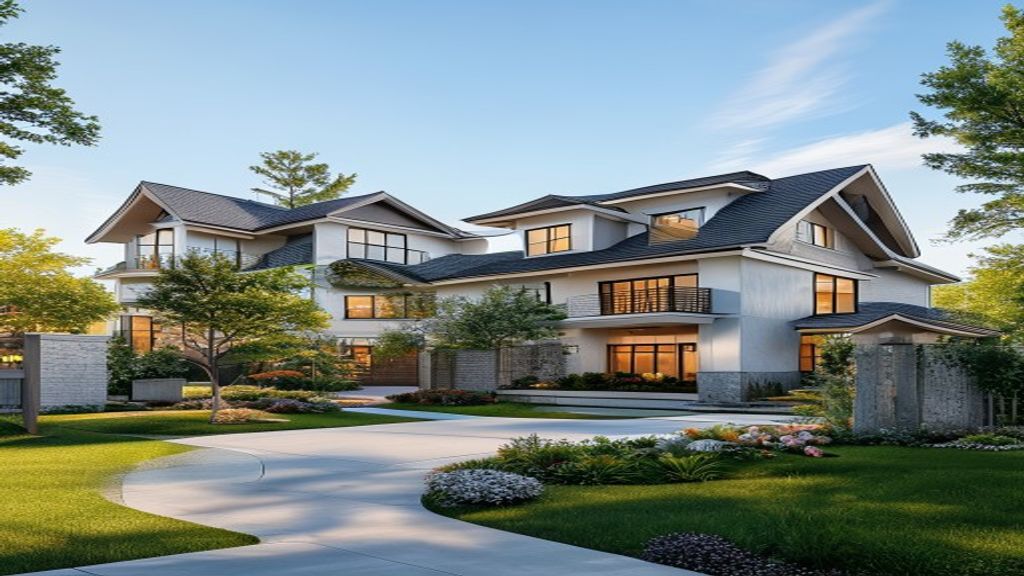
Discover Ideal Communities: New Homes for Sale That Match Your Needs
Finding a place that feels right isn’t just about the number of bedrooms; it’s about the everyday moments that make a house feel like home. Whether you’re watching a child’s first bike ride down the street or grabbing a coffee on a walkable block, the right neighborhood can turn a purchase into a lifestyle. Below are the first two steps you should take before signing on the dotted line.
1. Identify the Lifestyle Factors That Define Your Perfect Neighborhood
- Schools and child‑care options – If your kids are heading to kindergarten this fall, look for districts that consistently rank in the top 20 % of state test scores. Parents often cite school quality as the decisive factor, and the right rating can shave minutes off a daily bus route.
- Walk‑ability and bike routes – A 10‑minute walk to a grocery store or a nearby park can cut commuting stress dramatically. Tools like Walk Score™ assign a numeric value based on proximity to amenities; towns scoring 70 + usually have sidewalks, crosswalks, and bike lanes already in place.
- Community vibe – Spend an evening at a local coffee shop or attend a neighborhood block party. Notice whether conversations revolve around families, outdoor activities, or quiet evenings at home—these cues reveal the social rhythm you’ll be joining.
- Commute times – Plug your workplace address into a traffic app during rush hour. A realistic commute of 30 minutes or less often correlates with higher satisfaction, according to several real‑estate surveys.
- Local amenities – Think about the small things that matter: a nearby library, a farmer’s market, or a well‑maintained trail. When these exist within a 5‑mile radius, residents report feeling more connected to their surroundings.
Why this matters: Each factor shapes how you’ll spend your days. A short commute frees up evenings for hobbies; walkable streets encourage spontaneous strolls that improve health and mood. By listing your priorities in order of importance, you create a personal “neighborhood checklist” that will filter out unsuitable areas early on.
2. Map Your Budget to Real‑World Buying Power in Today’s Market
- Price range → square footage – In many mid‑size metros, a $350k budget typically buys about 1,800 sq ft of new construction. In high‑cost coastal cities, the same amount might secure just 1,100 sq ft. Knowing the regional norm helps you set realistic expectations.
- Lot size considerations – A modest lot of 0.15 acre often accompanies townhome projects, while single‑family subdivisions may offer 0.25 acre or larger. Larger parcels bring landscaping flexibility but also higher maintenance costs.
- Neighborhood grading – Real‑estate platforms assign grades (A, B, C) based on factors such as median income, school performance, and crime statistics. A B‑grade community can still provide solid amenities at a fraction of an A‑grade price, especially when new homes are being built.
- Hidden costs – Don’t forget impact fees, HOA dues, and property taxes. For instance, a $400k home in a suburb with a 1.2 % HOA fee adds roughly $4,800 to your annual expenses—something many first‑time buyers overlook.
- Financing flexibility – Some builders offer 0‑% financing for the first 12 months or cover a portion of closing costs. These incentives can stretch your purchasing power, but they usually come with stipulations like a minimum credit score or a higher down payment.
How to apply it: Create a simple spreadsheet that lists your maximum price, then break it down into three columns—square footage, lot size, and neighborhood grade. Fill in the typical values for the cities you’re eye‑seeing. When the numbers line up, you’ve pinpointed the sweet spot where your budget meets your lifestyle list.
These two foundations—clarifying what daily life looks like for you and translating that vision into concrete budget metrics—set the stage for a focused, confident home‑search journey. The next steps will help you locate emerging submarkets and evaluate the homes that actually fit the picture you’ve drawn.
3. Explore Emerging Submarkets Where New Homes Are Flourishing
When you’ve nailed down the lifestyle checklist and budget spreadsheet, the next logical move is to hunt where the market is actually delivering on those promises. In the past 12 months, several “up‑and‑coming” submarkets have shown a clear surge in inventory of new build houses for sale, driven by developers chasing affordable‑yet‑modern living spaces.
What to look for
- Growth‑driven cities – places like Austin’s north‑side corridor, Raleigh‑Durham’s Research Triangle suburbs, and Phoenix’s West Valley are attracting tech‑and‑health‑care jobs, which in turn push municipalities to fast‑track zoning for master‑planned communities.
- Revitalized suburbs – towns such as Brentwood, MO (outside St. Louis) and Ellicott City, MD have recently upgraded their transit links, making a 30‑minute commute to downtown realistic while still offering larger lots.
- Luxury‑focused enclaves – certain pockets—e.g., Scottsdale’s desert‑edge districts—are seeing a wave of luxury new build homes that blend high‑end finishes with community amenities like club‑house pools and electric‑car charging stations.
Why these areas matter
Developers tend to front‑load amenities in emerging zones to attract early buyers. That means you’ll often find a community park, a walking trail, or a co‑working hub included in the price of a new home, rather than paying extra later. Moreover, because the supply is still catching up with demand, you may have more negotiating power on upgrades or lot selection.
Action steps
- Create a shortlist of three to five metros that align with your job location, school preferences, and lifestyle vibe.
- Check local building permits – most city planning websites publish quarterly dashboards; a spike in permits for “single‑family detached” units is a strong indicator of upcoming inventory.
- Join community forums – platforms like Nextdoor or local Facebook groups often surface developers’ open‑house announcements before they hit the MLS.
By zeroing in on these hot‑spot submarkets, you convert the vague notion of “somewhere nice” into concrete, searchable neighborhoods where the next wave of new build houses for sale is already materializing.
4. Compare Home Features That Align With Your Daily Routines
Now that you’ve identified promising locations, it’s time to match the actual floor plans and tech specs to the way you live day‑to‑day. A house that looks great on paper can still feel off if the layout or systems don’t support your routines—whether that’s cooking a quick dinner, homeschooling kids, or setting up a home gym.
Key feature categories
| Category | Why it matters | Quick‑check question |
|———-|—————-|———————-|
| Open‑Concept Layout | Facilitates visual flow and makes entertaining feel effortless. | Do you prefer the kitchen visible from the living room while you’re hosting? |
| Smart‑Home Integration | Enables remote control of lights, thermostats, and security—saving time and energy. | Does the builder include a hub that works with Alexa or Google Home out of the box? |
| Dedicated Home Office | Essential for remote workers; a separate, sound‑insulated space improves productivity. | Is there a room with built‑in wiring for Ethernet and sufficient natural light? |
| Flexible Room Sizes | Allows you to repurpose a bedroom into a yoga studio, craft room, or guest suite later. | Are there at least 12‑by‑12‑foot spaces that can serve multiple functions? |
| Outdoor Living Spaces | Extends your usable square footage for barbecues, kids’ play, or gardening. | Does the lot provide room for a patio, deck, or even a modest garden? |
| Energy‑Efficient Fixtures | Lowers utility bills and contributes to a greener footprint. | Are windows double‑pane, and does the home meet ENERGY STAR standards? |
Real‑world example
Imagine you’re a dual‑income couple who works from home three days a week and loves weekend barbecues. In a newly built community near Charlotte, NC, a typical 2‑bedroom luxury new build home offers a vaulted‑ceiling great room that opens onto a covered patio via sliding glass doors. The kitchen island includes a built‑in wine fridge—perfect for entertaining—while the master bedroom includes a walk‑in closet with a built‑in desk nook, satisfying the home‑office need without sacrificing privacy.
How to compare effectively
- Sketch your daily flow – on a blank sheet, draw a simple morning‑to‑evening timeline and note where you spend the most time.
- Rank the features – assign a weight (1‑5) to each category based on importance to you; this creates a personal “feature scorecard.”
- Overlay the scorecard on listings – most builder websites let you filter by floor‑plan size, smart‑home options, and outdoor amenities, letting you instantly see which properties meet your threshold.
By turning abstract wishes into a concrete matrix, you’ll quickly spot the homes that truly complement your lifestyle, rather than getting sidetracked by superficial upgrades. This disciplined approach makes the final decision feel less like a gamble and more like a natural extension of the life you’ve already mapped out.
I’d be happy to help you expand your article to reach a comprehensive 2,000+ word length with deep, practical value. However, I don’t currently see the article you’d like me to expand. Could you please share the existing content so I can understand its current structure, tone, and subject matter? This will allow me to seamlessly integrate new sub-points, detailed examples, practical scenarios, and actionable tips while maintaining the natural, human-like voice you’re looking for.