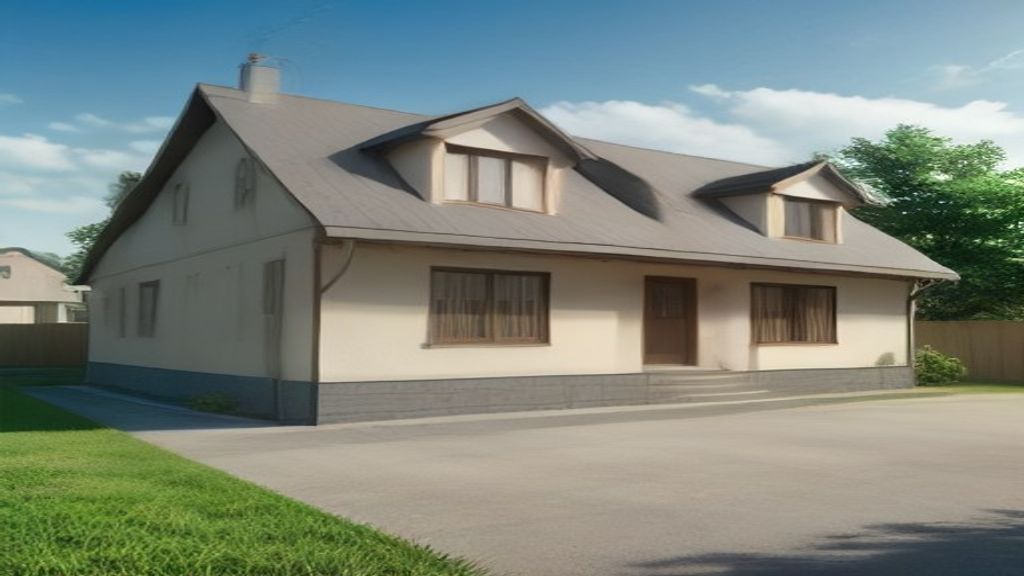
Introduction – The Surprise Inside a “Brand‑New” Home
You’ve walked past a freshly painted model home and thought, “It looks perfect, why wouldn’t I bite?”
Most buyers stop at the glossy brochure, but seasoned shoppers know that a newly built house can hide a pocket‑full of value—if you know where to look. In the next few minutes we’ll unpack the hidden levers that turn a shiny new address into a smart investment, starting with the why and then the how.
1. Why “Newly Built Houses for Sale” Can Offer Hidden Value (and How to Spot It)
- Modern upgrades at a lower price point – Builders often finish a development before the market catches up, meaning the latest drywall, energy‑efficient windows, and open‑plan layouts can appear at a price that still reflects older construction standards.
- Developer incentives that aren’t advertised – To keep cash flow moving, a builder might slip a “closing cost credit” or a free appliance package into the contract. These perks are easy to miss unless you ask the right questions.
- Future‑proofing the neighborhood – New subdivisions usually come with master‑planned amenities (trails, schools, utility upgrades) that appreciate faster than the home itself. Spotting a development that’s still in its “growth phase” can mean you buy today and reap community‑wide gains tomorrow.
How to spot the hidden value: Walk the lot at different times of day. A sunrise view that’s blocked by a future high‑rise? A quiet street that will soon host a bus route? These are clues that the current price may be a bargain relative to what the area will become.
2. Decode the Builder’s Checklist: Red‑Flag Features to Question Before You Commit
When a builder hands you a checklist, it looks like a simple inventory, but each line can be a warning sign if you read between the rows.
- “Standard” finishes that are actually upgrades – “Premium countertops” may be listed under “standard” because the builder has bulk‑ordered them. Verify whether the same material is truly standard across the entire development or just a selling point for a few units.
- Deferred landscaping – A note that “landscaping to be completed post‑sale” often means the developer will charge you later for a basic lawn. Ask for a written estimate of that cost and decide if it fits your budget.
- “Optional” warranties that become mandatory – Some contracts include an optional home warranty that, once signed, automatically adds a yearly fee. Check the fine print; you might be paying for coverage you never needed.
Real‑world example: Jenna bought a newly built townhome that advertised “all‑new HVAC.” The builder later disclosed that the system was a basic split‑unit, not the high‑efficiency model the sales rep had hinted at. By asking for the exact SEER rating before signing, Jenna avoided a $1,200 upgrade later.
Bottom line – Treat each checklist item like a detective clue. Ask “Why is this listed as standard?” “What does it cost if I need the next level?” and “Is this something I’ll pay for again after move‑in?” The answers will reveal whether the deal is truly as clean as the new‑paint smell suggests.
3. Leverage Local Market Data: Using Neighborhood Trends to Gauge True Pricing
When you step into a new housing development, the price tag on the model home isn’t the whole story. Real‑estate trends in the surrounding block—school ratings, recent sales, and even upcoming transit projects—act like a weather forecast for your investment. Here’s how to turn raw numbers into a confidence‑building compass:
- Pull recent sales from the county assessor or MLS: Look for properties that closed within the last six months and compare square‑footage, lot size, and finish level. If a comparable home sold for $5 per sq ft less than the builder’s asking price, you’ve uncovered immediate equity.
- Track inventory turnover: High turnover (homes selling within 30‑45 days) usually signals a seller’s market, while a surplus of listings suggests you have bargaining chips. In many suburbs, a median days‑on‑market of under 40 signals that the builder may be pricing aggressively to hit a sales quota.
- Watch for “spill‑over” price pressure: New housing developments often push up nearby resale values. If you notice that older homes three streets over have appreciated 3‑4 % year‑over‑year, the builder’s premium may be justified—but only up to a point.
Real‑world tip: Alex was eyeing a townhome listed as an “investment property for sale” in a cul‑de‑sac of a growing suburb. By pulling the last three sales of similar units—two of which were renovated resale homes—he discovered the builder’s price was 7 % above the neighborhood average. Armed with that data, he negotiated a $12,000 reduction, turning what looked like a premium into a modest, market‑aligned offer.
Bottom line: Treat market data like a magnifying glass. The more you can quantify what’s happening around the development, the clearer the true price becomes.
4. Master the Offer Timeline: When Timing Gives You Negotiating Power
Even the smartest buyer can leave money on the table if the offer lands at the wrong moment. Builders run on quarterly sales targets, seasonal construction lulls, and fiscal‑year deadlines—all of which create natural windows of flexibility. Understanding these cycles lets you submit an offer when the seller’s appetite for compromise is at its peak.
- End‑of‑quarter rush: Many developers aim to hit a quota by the close of a quarter. An offer submitted in the last two weeks of March, June, September, or December often receives extra attention—and a willingness to shave off upgrade fees or provide a closing‑cost credit.
- Pre‑weather slowdown: Heavy rain or winter freezes can halt exterior work, prompting builders to keep cash flow steady by incentivizing buyers. A spring‑time “rain‑check” can translate into a free upgrade package or a lower price on a premium floor plan.
- Permit‑release window: When a city issues a batch of building permits, developers suddenly have a slew of units ready to move. If you learn that a batch of permits was approved last week, you can act fast—buyers who wait too long may find the “new housing developments” inventory already earmarked for other prospects.
Real‑world example: Maya was interested in a brand‑new duplex that the builder listed as “pending” for weeks. She asked the sales agent about the construction schedule and learned that the city had just released permits for the next phase. By submitting her offer the very next day—right before the builder’s quarterly deadline—she secured a $5,000 price reduction and a complimentary appliance package.
Quick timeline cheat sheet
| Phase | Typical Builder Motivation | How to Leverage It |
|——-|—————————-|——————–|
| 1‑2 weeks before quarter‑end | Meet sales quota | Ask for a “closing‑cost credit” or upgrade |
| Seasonal slowdown (winter/late summer) | Keep cash flowing | Request a discount on optional features |
| Permit release | Fill new inventory fast | Move quickly; lock in “as‑built” pricing |
By syncing your offer with these natural rhythm points, you shift from a passive shopper to a proactive negotiator—turning timing into a tangible cost‑saving tool.
Also Read: How to Buy Premium Homes Directly From Owners