Introduction
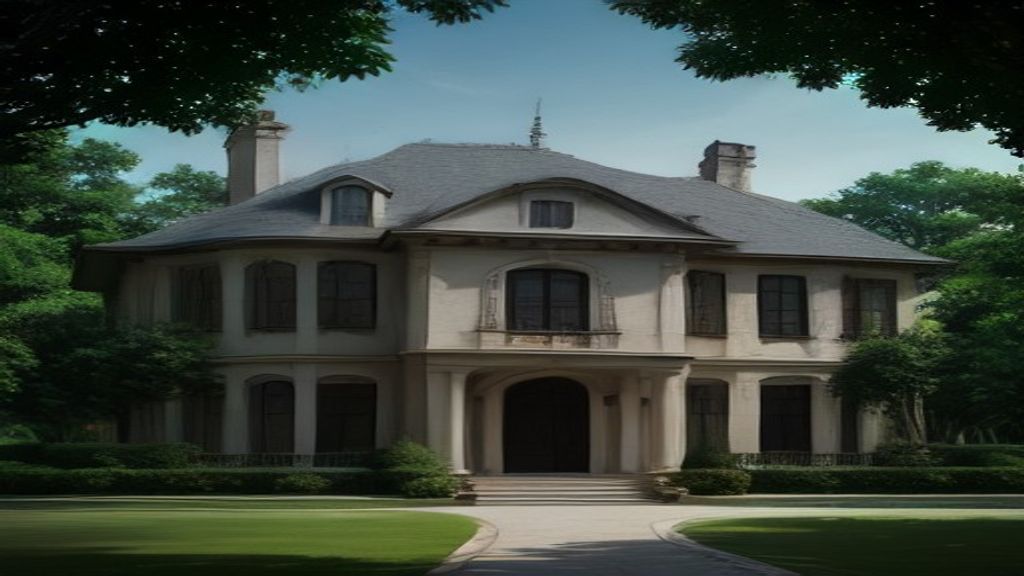
You’ve probably heard the whispers about a palatial estate perched on a cliff, a glass‑walled sanctuary that costs more than a small town. The thrill of hunting the most expensive house for sale is less about fantasy and more about methodical sleuthing. In the next few pages I’ll walk you through the exact places you should be looking, and the tell‑tale details that separate a genuine mega‑mansion from a glossy brochure. Think of this guide as a compass for your luxury‑real‑estate expedition—no guesswork, just proven pathways.
1. Unlock the Secrets: Where to Find the Most Expensive House for Sale Listings
- Specialized MLS portals – The Multiple Listing Service isn’t a single site; several regional MLSs (e.g., Sotheby’s International Realty, Christie’s International Real Estate) host ultra‑high‑end entries that standard search engines ignore.
- Private broker networks – Many top‑tier properties change hands through word‑of‑mouth deals. Joining a luxury‑agent circle or subscribing to a broker’s newsletter can surface listings before they hit public databases.
- Auction houses – Organizations like Christie’s and Bonhams sometimes list estates via live auctions. Their catalogs provide detailed floor plans, photographs, and provenance that are priceless for early‑stage research.
- Off‑market alerts – Services such as PropertyRadar or Luxury Portfolio International let you set criteria (price > $10 M, acreage > 5 acres) and receive instant SMS or email notifications when a match appears.
> Why these channels matter: Traditional real‑estate portals often cap listings at $5 M, leaving the “mega‑mansion” tier invisible to the casual buyer. By tapping niche databases and insider networks, you gain access to the very pool where the most exclusive homes reside.
Pro tip: Keep a spreadsheet of contacts—agents, auction houses, and data services—so you can rotate outreach weekly. Consistency beats a one‑off email every few months.
2. Decode the Price Tag: Key Features That Signal a Luxury Mega‑Mansion
When a property boasts a seven‑figure price, it usually checks several boxes that justify the premium. Below are the hallmarks you should verify, along with the rationale behind each.
- Land footprint – Acres matter. A sprawling lot (often 5 + acres) not only offers privacy but also potential for future development or expansion.
- Architectural pedigree – Homes designed by renowned architects (e.g., Richard Meier, Philippe Starck) command higher resale value because the design itself is a collectible asset.
- Custom finishes – Hand‑crafted stonework, imported hardwoods, and bespoke lighting fixtures signal a level of craftsmanship far beyond mass‑produced luxury homes.
- Tech integration – Full‑home automation, advanced security systems, and dedicated data centers indicate that the property is built for modern, high‑net‑worth lifestyles.
- Unique amenities – Indoor pools, private helipads, wine caves, or a personal theater add functional luxury that justifies a higher price tag.
> How to verify: Request the as‑built drawings and material specifications from the listing agent. Cross‑reference these with publicly available building permits to confirm that the claimed features are real, not just marketing fluff.
Example: A recent $32 M sale in Beverly Hills included a 10‑car garage, a 2,500‑sq‑ft indoor pool, and a 4‑story art gallery. The price per square foot was roughly $2,500—well above the local average—because each of those amenities adds a distinct revenue‑generating or lifestyle‑enhancing value.
By dissecting these elements, you’ll be able to read a price tag like a seasoned appraiser—distinguishing true luxury from inflated hype.
3. Map the Market Pulse: Using Real‑Time Data to Spot Price Trends
When you’re hunting for the most expensive house for sale, the market’s rhythm is your compass. Start by pulling live feeds from multiple MLS platforms, luxury real estate for sale portals, and even private auction sites. These sources update every few minutes, letting you see how a $30 M listing’s asking price moves after a new buyer inquiry or a high‑profile open house.
Actionable tip: Set up a custom dashboard in a tool like Google Data Studio or a real‑estate‑specific SaaS (e.g., CoreLogic) that aggregates price changes, days‑on‑market, and price‑per‑square‑foot trends for properties above $10 M. When the dashboard flags a sudden dip—say, a 5 % reduction within 48 hours—it often signals a motivated seller or an over‑priced listing that’s finally aligning with market reality.
Another pulse‑check you can’t ignore is the “new built homes for sale” segment. New construction tends to anchor the upper‑end price curve because developers price these units based on the latest building codes, technology, and design trends. By comparing recent completions in the same enclave (e.g., a freshly finished penthouse in Manhattan’s Billionaires Row) with existing inventory, you gain a real‑time sense of what buyers are truly willing to pay for cutting‑edge amenities.
Finally, watch macro indicators such as luxury‑buyer sentiment surveys, foreign‑investment flows, and high‑net‑worth consumer confidence indexes. A surge in overseas capital often precedes a spike in ultra‑high‑end listings, while a dip in sentiment may foreshadow price softening. Layering these macro signals onto your real‑time data will give you a nuanced, forward‑looking view rather than a snapshot frozen in time.
4. Set Your Benchmark: Building a Comparable‑Property Analysis for Ultra‑High‑End Homes
A solid comparable‑property (or “comps”) analysis is the bedrock of any serious negotiation, even at the multi‑million level. Begin by gathering a set of recent sales that match your target on three core dimensions: location, square footage, and unique luxury attributes (e.g., private helipad, art gallery). For ultra‑high‑end homes, the pool of perfect comps is often thin, so you’ll need to expand the radius a bit—think neighboring gated enclaves or comparable “new built homes for sale” that share the same architectural pedigree.
Step‑by‑step guide:
- Identify anchor sales – Look for closed transactions within the past 12 months that exceed $20 M and include at least two of the key amenities you’ve verified.
- Adjust for temporal variance – Apply a small inflation factor (usually 2–3 % per year) to older sales to reflect current market vigor.
- Weight unique features – Assign a premium or discount percentage for items like a custom wine cellar or a state‑of‑the‑art home automation system. For instance, a 10 % premium is common for a fully integrated smart‑home suite in a coastal mansion.
- Calculate price per square foot – Divide the adjusted sale price by the usable square footage, then compare that figure to the asking price of your target property.
When you run the numbers, you might discover that a $35 M listing in Palm Beach is priced at $1,800 per square foot, while comparable sales sit at $2,100. That gap flags either an under‑priced opportunity or a hidden drawback—perhaps the property lacks the “luxury real estate for sale” cachet of a brand‑new development.
To refine your benchmark further, consult third‑party appraisal reports and high‑net‑worth buyer surveys. These documents often reveal the intangible premium buyers attach to factors like brand‑name architects or exclusive neighborhood covenants. By synthesizing hard data with these softer market signals, you’ll arrive at a price range that feels both defensible and strategic—giving you the confidence to make an offer that reflects true market value rather than headline hype.
I’d be happy to help expand your article to a comprehensive, in-depth piece of over 2,000 words with practical value! However, I don’t see the current article in your message. Could you please share the existing content that needs expansion? This will allow me to:
- Understand the current structure and tone
- Identify natural places to add depth
- Ensure seamless integration of new content
- Maintain consistency with your established voice
Once you share the article, I’ll expand it with highly relevant sub-points, detailed examples, practical scenarios, and actionable tips while avoiding fluff or repetition.
Also Read: Find Cheap Houses That Still Promise Strong Rental Returns