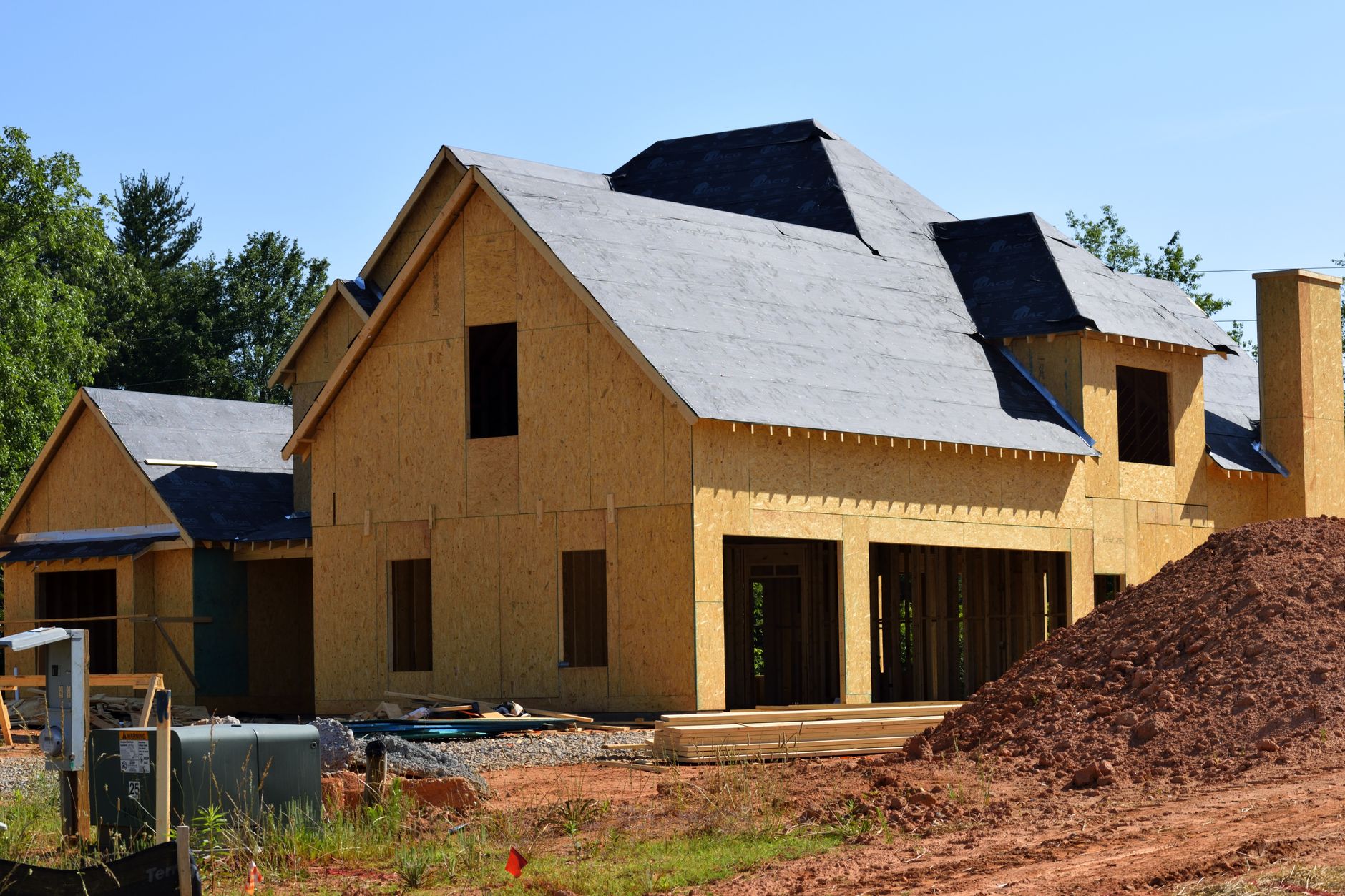
Introduction – Why the Right Builder Matters
You’ve probably already imagined the day you hand the keys over and step inside the home you’ve been dreaming about. That moment is only as solid as the crew that raised the walls, laid the foundation, and kept the site safe. Choosing the right house building companies isn’t just about aesthetics; it’s a risk‑management decision that can save months of delay and prevent expensive accidents. Below is a practical, step‑by‑step guide that helps you separate the fast‑track pros from the shortcut‑taking pretenders, so your project stays on schedule and stays safe.
1. Spot the Builders Who Prioritize Speed without Cutting Corners
Speed is valuable, but only when it’s backed by solid processes.
- Ask for documented project timelines.
A reputable builder will hand you a phased schedule—foundation, framing, roofing—complete with start and finish dates. If they can point to a completed home that matched that timeline, you’ve got a concrete benchmark.
- Request on‑site safety records and incident‑free stats.
Look for the number of days worked without a recordable injury, or ask for a recent safety audit. For example, a contractor in Texas who completed a 2,500‑sq‑ft home in 28 days reported zero lost‑time incidents over the past year, a figure that demonstrates disciplined planning rather than rushed labor.
- Why it works:
When a company tracks both schedule and safety, the two metrics reinforce each other. A well‑planned timeline allocates realistic crew hours, reducing the temptation to skip safety steps to “make up” time. Conversely, a clean safety record often indicates that the crew is well‑trained and that supervision is consistent—both essential for maintaining momentum.
- Red flag:
Vague promises like “we finish quickly” without any supporting data usually hide reactive scheduling, which can lead to overtime, fatigue, and, ultimately, costly rework.
2. Verify Licensing, Insurance, and Local Compliance First
Before you even discuss square footage, make sure the house building companies you’re interviewing are legally qualified to work in your jurisdiction.
- Check state‑required contractor licenses.
Every state maintains an online registry (e.g., the California Contractors State License Board). A quick search will reveal whether a contractor’s license is active, what trade classifications they hold, and if any disciplinary actions exist.
- Confirm workers’ compensation and liability coverage.
Ask for a Certificate of Insurance that lists both general liability (usually at least $1 million) and workers’ comp. If a subcontractor gets injured and the main contractor lacks proper coverage, you could be on the hook for medical bills and legal fees.
- Local compliance matters too.
Some municipalities require additional permits—storm‑water management plans, seismic retrofits, or energy‑efficiency certifications. A builder who already navigates these requirements will avoid surprise delays later on.
- How it protects you:
Proper licensing guarantees that the builder meets minimum competency standards set by the state, while adequate insurance safeguards your personal assets if something goes wrong on site.
- Quick verification tip:
Send a brief email asking, “Could you forward your current license number and a copy of your insurance certificate?” A prompt, professional response is often a good early indicator of the company’s overall transparency.
3. Review Real‑World Portfolio Proof: What Their Finished Homes Reveal
A glossy brochure looks nice, but the real story lives in the homes the builder has already delivered. Start by requesting before‑and‑after photos for at least three recent projects. Pay close attention to the consistency of workmanship—do the framing, roofing, and interior finishes follow the same quality standard, or do you see noticeable dips in the later shots?
What to look for
- Quality continuity – If a house built two months ago shows the same crisp joinery and flawless trim as one completed six months earlier, the crew is maintaining a steady level of skill rather than letting speed erode precision.
- Scope variety – Builders who successfully handle both a single‑family “buy home” project and a multi‑unit “rent to own homes” development demonstrate flexibility. That breadth often means they have robust scheduling and quality‑control processes that can adapt to different client needs.
- Site‑visit verification – Ask to tour an active construction site. While the camera can capture static moments, walking the yard lets you gauge how tidy the crew keeps the work zone, how promptly they address weather‑related setbacks, and whether safety signage is visible.
Practical tip: Bring a notebook and jot down two things you admire and two questions that arise for each house you inspect. For example, you might note a perfectly aligned kitchen island but then ask, “What steps did the team take to keep the cabinetry schedule on track when a delivery was delayed?” Those follow‑up questions not only reveal the builder’s problem‑solving mindset but also give you concrete evidence to compare against other candidates.
4. Gauge Communication Style – Are They Responsive and Transparent?
Even the most skilled crew can become a headache if the office side disappears when you need an update. Begin by measuring reply time on your initial email or phone call. A response within 24 hours—especially one that includes a brief, personalized summary of your project details—often signals a company that respects client communication.
Key communication checkpoints
- Initial inquiry – Note whether the contact person references your specific site address or the type of home you want (e.g., a “rent to own homes” community). Generic replies suggest a cookie‑cutter approach, while tailored messages indicate they’ve already started thinking about your project.
- Change‑order handling – Ask, “If we need to modify the floor plan halfway through, how will the cost and schedule be adjusted?” A transparent builder will outline a written change‑order process, including any markup percentages and the expected impact on the critical path.
- Unexpected delays – Probe with a scenario such as, “What’s the protocol if a sudden storm forces us to pause work for three days?” Look for answers that mention daily safety briefings, revised Gantt‑chart milestones, and proactive client notifications.
Actionable step: After the first conversation, send a quick follow‑up (e.g., “Thanks for the info—could you share a sample change‑order form?”). Track how long it takes to receive the document and whether the tone remains courteous. Consistently prompt, clear replies tend to mirror how the builder will keep you informed throughout construction, reducing the risk of surprise cost overruns or schedule slips.
By combining a solid portfolio audit with a litmus test of communication habits, you’ll be far better equipped to select house building companies that deliver on speed without sacrificing safety or clarity.
Also Read: Invest in Luxury Vacation Resorts with European Property Groups