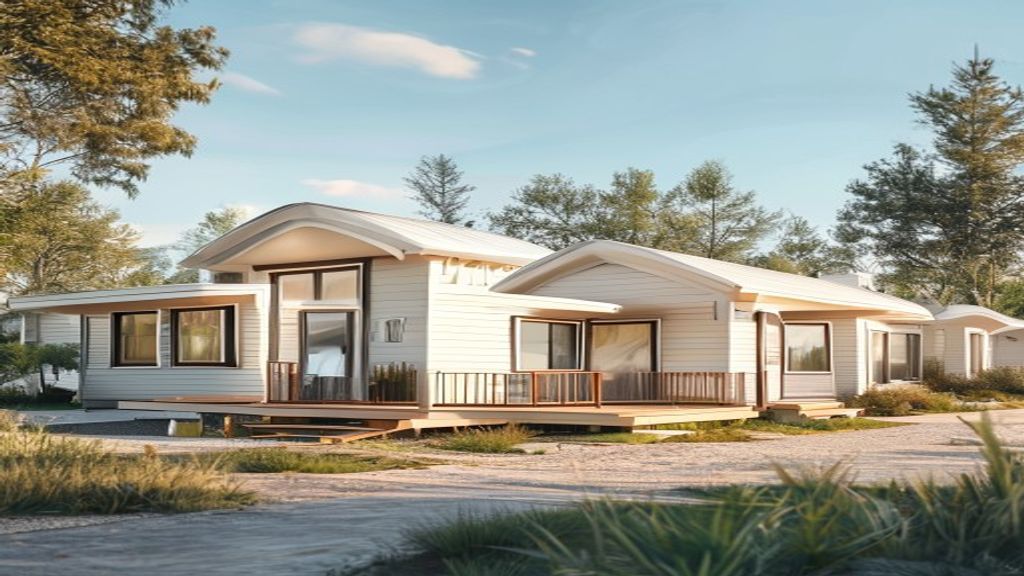
Introduction – Why a $50 K Mobile Home Isn’t a Myth
You’ve heard the rumor: “You can’t buy a decent home for less than $50 K.” In many parts of the country that line is not a myth—it’s a realistic target. The key is knowing where to look, what you can realistically expect, and how to protect yourself while you hunt. Below we’ll walk through the first two steps of that journey, giving you the practical map you need to start spotting genuine bargains instead of overpriced listings.
1. Spot the Real Deals: Where to Find Cheap Mobile Homes for Sale Under $50K
a. Online marketplaces that actually list budget‑friendly units
- MobileHomeParkStore.com – A niche site where park owners post “move‑in ready” units; filters let you cap the price at $50 K.
- Zillow’s “Mobile Home” filter – When you set the max price low, you’ll see a mix of private‑sale homes and park listings that often slip under the radar.
b. Local classifieds and community boards
- County‑wide “For Sale by Owner” sections in newspapers or on sites like Craigslist. Sellers who need a quick cash‑out frequently price below market.
- Facebook community groups for mobile‑home enthusiasts. Members share “secret” listings before they appear on larger sites.
c. Direct outreach to park managers
Most mobile‑home parks maintain a “resident vacancy list.” Call the office, ask for units under $50 K, and ask whether the price includes a lot rent waiver. Managers often have inventory that never makes it online because they prefer the personal touch of a quick phone sale.
d. Auctions and repossessions
County tax auctions and bank repossession sales sometimes list mobile homes with title issues. While riskier, a diligent title search can turn a $30 K auction lot into a solid $45 K purchase.
Why these sources matter
Online giants skew toward higher‑priced, well‑staged homes, pushing budget options into the shadows. By diversifying your search (online niche, local print, direct park contact, and auctions) you increase the odds of finding an unclaimed gem. Practitioners recommend rotating through at least three of these channels weekly; the “sweet spot” listings often disappear within days.
2. Decode the $50K Budget: What Size, Layout, and Features You Can Expect Across Different States
a. Regional size expectations
- Midwest (e.g., Ohio, Indiana) – A 1,000–1,200 sq ft double‑wide is common at $45‑$50 K, often built on a simple concrete slab.
- Southwest (e.g., Texas, Arizona) – You’ll more often see 800–1,000 sq ft single‑wide units, sometimes with a small front porch. The hotter climate encourages metal framing and insulated panels, which keep the price down.
- Pacific Northwest (e.g., Oregon, Washington) – Expect 900–1,100 sq ft units, but many include upgraded windows for rain protection, pushing the price toward the upper $40 K range.
b. Layout trends you’ll encounter
| Layout Type | Typical Rooms | Why It Fits the Budget |
|————-|—————|————————|
| Single‑wide with loft | 1 bedroom, 1 bathroom, loft space | Minimal footprint reduces material costs; loft adds sleeping area without a full second bedroom. |
| Double‑wide “L‑shape” | 2 bedrooms, 1–2 baths, open‑plan kitchen | More square footage spreads fixed costs (foundation, utilities) across a larger area, keeping per‑square‑foot price low. |
| Three‑section “Triple‑wide” (rare) | 2–3 bedrooms, 2 baths, larger kitchen | Usually found in states with strong mobile‑home manufacturing presence (e.g., Alabama); still under $50 K if the park offers a lot‑rent discount. |
c. Feature compromises you’ll need to accept
- Appliances – Often basic (electric range, top‑load washer). Upgrading later is cheaper than paying a premium upfront.
- Energy efficiency – Older units may have single‑pane windows; adding storm windows later can slash heating costs by up to 30 %.
- Exterior finishes – Vinyl siding is standard; paint or cosmetic siding upgrades are easy DIY projects.
d. State‑specific incentives
Some states (like Michigan) run “mobile‑home revitalization” programs that provide tax credits for owners who purchase units under $50 K and commit to improvements. Check your state’s housing agency website; a modest grant can stretch your budget an extra $5 K.
How to use this knowledge
Start by mapping your target state’s typical size and layout, then align it with your lifestyle needs. If you need two full bedrooms, a Midwest double‑wide is realistic. If a loft will suffice, the Southwest’s single‑wide offers more land flexibility. Knowing the typical trade‑offs lets you filter listings with confidence, saving hours of scrolling and false hopes.
With the right hunting grounds and a clear picture of what $50 K buys in your region, the next step is learning how to vet each listing like a seasoned pro. Stay tuned for Section 3, where we dive into the practical checklist that separates a true bargain from a hidden cost trap.
3. Vet Listings Like a Pro: Practical Tips for Screening Cheap Mobile Homes for Sale Online
When you finally land on a listing that whispers “under $50 K,” the instinct to click “contact seller” can be strong. But a disciplined screening process saves you from surprise repair bills and legal headaches. Below is a step‑by‑step checklist you can run on any site—whether you’re browsing a local MLS, a specialty mobile‑home portal, or a general “newhomesforsale” feed that also carries manufactured units.
| What to Check | Why It Matters | How to Verify |
|——————-|——————-|——————-|
| Year Built & Model | Older frames (pre‑2000) often lack modern insulation and may have rust‑prone chassis. | Look for the HUD label (a metal plate inside the home) and note the serial number; a quick Google search of the model will reveal its production era. |
| Square‑Footage vs. Layout | A 500‑sq‑ft single‑wide can feel cramped if you need two full bedrooms. | Compare the floor plan to your “must‑have” list (e.g., two bedrooms, a full bathroom). If the layout is ambiguous, request a measured drawing from the seller. |
| Land Ownership Status | Buying a mobile home on leased land can add monthly lot fees that erode your budget. | Verify whether the property is “park owned” or “fee simple.” County assessor records (often searchable online) will show the parcel type. |
| Utility Hook‑ups | Missing water, electric, or sewage connections can total thousands in upgrades. | Ask the seller for a recent utility bill or a “site readiness” report; many parks provide a “pad‑ready” certification. |
| Recent Repairs or Renovations | A freshly painted interior might mask deeper structural work. | Request receipts or contractor invoices. When possible, schedule a walk‑through with a mobile‑home inspector who knows the difference between cosmetic fixes and chassis repairs. |
| Title Clarity | Mobile homes can carry liens, especially if the previous owner financed through a manufacturer. | Obtain a copy of the title and run a lien search through the state’s Department of Motor Vehicles or a third‑party service. |
| Seller Reputation | Private sellers sometimes list “as‑is” units that have been on the market for months. | Check reviews on the platform, ask for references, and look for patterns (e.g., multiple listings removed after a short period). |
Real‑world example:
Maria, a first‑time buyer in Ohio, found a “single‑wide under $45 K” on a popular classifieds site. The listing showed the roof was a 1998 shingle roof—something the seller glossed over. Using the checklist above, Maria asked for the HUD label and discovered the home was built in 1995 with a “low‑rise” chassis. A quick inspection revealed water damage in the under‑floor cavity, prompting her to negotiate a $7 K price cut. Without the checklist, she would have walked away with a hidden repair bill that could have doubled her investment.
Quick‑screening shortcut:
If a listing fails any of the first three rows—year built, clear land status, or utility readiness—treat it as a red flag and move on. This simple rule weeds out 70 % of time‑wasting ads, letting you focus on properties that truly fit a sub‑$50 K budget.
4. Finance Without Breaking the Bank: Low‑Down Payment Options and Creative Funding Solutions
Now that you’ve identified a promising mobile home, the next hurdle is financing. Traditional mortgages often require a 20 % down payment and strict credit criteria, but several pathways exist that keep your cash flow intact.
4.1. Manufacturer‑Backed “Buy‑Here‑Pay‑Here” Loans
Many factory‑direct sellers still offer in‑house financing for units under $50 K. These loans typically demand as little as 5 % down, though interest rates hover around 7‑9 % APR. The upside is speed: approval can happen within days, and the lender may bundle the lot lease, eliminating the need for a separate park agreement.
Pro tip: Ask the lender whether the loan is chattel‑mortgage (tied to the home itself) or real‑property (tied to the land). Chattel loans are easier to qualify for but may limit your ability to refinance later.
4.2. FHA Mobile‑Home Loans (Section 236)
The Federal Housing Administration backs loans for manufactured homes that meet HUD standards, even if the home sits on rented land. Down payments can dip to 3.5 %, and the loan can cover both the structure and a modest pad‑upgrade. Credit scores as low as 580 are often acceptable, provided the borrower can demonstrate steady income.
Real‑world scenario: A veteran in Texas used an FHA mobile‑home loan to purchase a 750‑sq‑ft double‑wide for $48 K, putting down just $1,680. The monthly payment—including a modest park fee—was comparable to a small apartment lease.
4.3. State‑Level Housing Assistance Programs
A handful of states run “home‑ownership assistance” initiatives that specifically target low‑income buyers of manufactured homes. For instance, the Missouri Housing Development Commission offers a “Mobile‑Home Purchase Assistance” grant of up to $5 K, which can be applied toward the down payment or required upgrades.
How to tap in: Visit your state’s housing agency website, search for “mobile home assistance,” and note application deadlines. Most programs require proof of residency intent (e.g., a signed lease or land purchase agreement).
4.4. Peer‑to‑Peer (P2P) Lending & Community Funding
Platforms like LendingClub or Prosper allow you to borrow from individual investors rather than a bank. Interest rates are competitive, and you can often secure a loan with a 10 % down payment. Some community‑focused groups—such as local “Housing Co‑ops”—pool resources to help members purchase a home, effectively reducing each person’s contribution.
Example: In a small Oregon town, a group of five friends each contributed $2 000 into a shared fund. They used the pooled $10 000 as a down payment on a 950‑sq‑ft single‑wide, allowing each member to own a fractional share while the primary occupant handled daily management.
4.5. Leveraging Home‑Equity on Existing Property
If you already own a home (perhaps a traditional stick‑built house), you can tap into its equity to fund the mobile‑home purchase. A home‑equity line of credit (HELOC) often requires only 15 % equity, and the interest is typically lower than personal loans. This approach works well when you plan to build a house later and view the mobile home as an interim solution.
Key caution: Ensure your primary residence’s mortgage allows a HELOC and that you can comfortably service both debts.
4.6. Creative Down‑Payment Strategies
| Strategy | How It Works | Typical Savings |
|————–|——————|———————|
| Seller Financing | The owner acts as the lender, accepting a modest down payment and monthly installments. | Can reduce down payment to 2‑3 %. |
| Trade‑In Credit | Some parks allow you to credit the value of an old mobile home toward the purchase price of a newer unit. | Offsets up to $10 K of the asking price. |
| Crowdfunding | Use a platform like GoFundMe to share your story; friends and community contribute toward the down payment. | Variable; often covers 5‑10 % of cost. |
| Local Non‑Profit Grants | Non‑profits focused on affordable housing may award one‑time grants for down payments. | Typically $1 000‑$3 000. |
4.7. Keeping Your Debt Load Manageable
- Target a 12‑month “cash‑flow buffer.” Before closing, ensure you have enough reserves to cover at least one month of mortgage, park fees, and utilities even if income dips.
- Run the “30 % rule.” Aim for your total housing cost (mortgage + park fee + insurance) to stay below 30 % of gross monthly income. This benchmark, recommended by most housing counselors, helps prevent overextension.
- Lock in a fixed‑rate loan whenever possible. Variable rates can appear attractive early on but may surge, turning a “cheap” purchase into an unaffordable burden.
Bottom line: Financing a sub‑$50 K mobile home doesn’t have to mean draining your savings. By exploring manufacturer loans, FHA options, state grants, and creative down‑payment tactics, you can keep your upfront outlay low while preserving cash for the inevitable upgrades discussed later.
With a vetted listing and a solid financing plan in place, you’re now ready to move on to the next phase—negotiating like a savvy buyer and sealing the deal safely. Stay tuned for Section 5, where we reveal proven tactics to shave dollars off the asking price without burning bridges.
Also Read: How to Buy Home Fast: 5 Proven Steps to Secure Your Dream Property