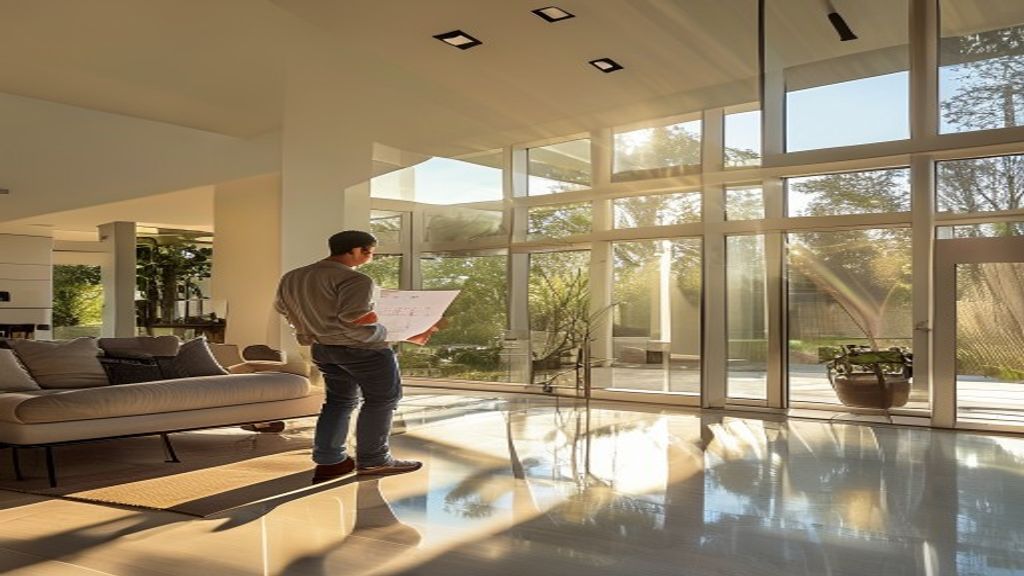
Why buying a brand‑new home feels different – and why it matters
You’ve probably walked through a model home that dazzles with fresh paint, open‑concept living, and a price tag that seems just right. But the excitement can mask a maze of decisions that only a seasoned buyer truly understands. Skipping the early “why” step often leads to a house that looks perfect on paper but clashes with the life you actually want to live. Let’s cut through the noise and start with the foundation: your personal priorities.
1. Pinpoint Your Lifestyle Priorities Before the Search
Before you even open a listings site, ask yourself the questions that shape daily happiness.
- Work‑life flow – Do you need a short commute, a home office with reliable fiber, or flexible space for occasional remote work?
- Family dynamics – Growing kids may require multiple bathrooms, a backyard, or proximity to quality schools; empty‑nesters might value low‑maintenance yards and easy‑access living.
- Recreation habits – If weekend hikes, cycling routes, or community pools are non‑negotiable, those amenities become part of the decision matrix.
Real‑world tip: A buyer in Austin, Texas, discovered that a two‑bedroom floor plan felt cramped once her teenage twins moved back for college. She later chose a three‑bedroom model with a flexible bonus room, turning the extra space into a study and a yoga studio—exactly the mix she needed for work and play.
Write down the top three‑to‑five criteria that can’t be compromised. When you return to the market, those bullet points become your quick‑scan filter, keeping you from falling for a “nice‑looking” home that doesn’t serve your routine.
2. Map the Hotspots: Neighborhoods Where New Build Houses for Sale Are Emerging
Once your priority list is clear, the next step is to locate the communities that actually deliver them. New‑construction trends don’t spread evenly; they cluster around specific catalysts.
- Infrastructure projects – New transit lines, highway expansions, or utility upgrades often spark a wave of development. For example, the extension of a commuter rail in Denver spurred several master‑planned communities within a 15‑minute radius.
- Economic incentives – Cities offering tax abatements or builder subsidies can make early‑stage neighborhoods especially affordable. In Charlotte, a municipal incentive reduced closing costs for homes built within a designated “growth zone.”
- Lifestyle anchors – Proximity to schools, parks, or emerging retail districts can turn a quiet suburb into a hot spot overnight. A recent case in Raleigh showed a 12% price jump in a neighborhood after a new mixed‑use retail hub opened nearby.
How to map them:
- Check local planning commission minutes – They reveal upcoming rezoning or large‑scale projects before they appear on MLS.
- Use heat‑map tools – Websites like Zillow or Redfin let you overlay new‑construction activity, highlighting “hot” zip codes.
- Talk to city officials or local chambers – They often have early access to permits and can point you to emerging districts before they’re saturated.
By aligning the neighborhoods that match your lifestyle checklist with these growth catalysts, you’ll focus your search on areas that not only meet today’s needs but also promise a resilient, appreciating market.
> Next up: We’ll dive into how the builder’s reputation and construction quality can either safeguard or jeopardize the investment you’re about to make. Stay tuned.
3. Decode the Builder’s Reputation and Construction Quality
When a developer’s name pops up on a new‑build listing, it’s tempting to assume the project will be flawless. In reality, a builder’s track record is the most reliable predictor of future headaches—or peace of mind.
How to vet a builder:
- Research past projects – Browse the builder’s portfolio on their website, then cross‑check those addresses on county appraisal sites. Look for consistency in finish quality, on‑time delivery, and any patterns of post‑occupancy repairs.
- Read online reviews with a grain of salt – Homeowner forums, Google reviews, and even local Facebook groups can surface recurring complaints (e.g., water‑intrusion or delayed warranty service). Pay special attention to how the builder responds; a proactive, solution‑focused reply often signals a respectable company.
- Ask for the “builder’s warranty” details – Reputable developers typically offer at least a one‑year “dry‑in” warranty and a longer structural guarantee. Compare these terms with industry standards; a shorter warranty may hint at confidence issues.
- Check licensing and complaint records – State licensing boards and the Better Business Bureau provide public records of disciplinary actions or unresolved disputes.
Why reputation matters: A builder known for high‑end homes may employ more rigorous quality‑control procedures, from precise framing to premium HVAC systems. Conversely, some firms that specialize in modular cabins can deliver cost‑effective, faster‑built homes, but the trade‑off may be limited customization options. Understanding where a developer sits on this spectrum helps you align expectations with budget and lifestyle goals.
Real‑world illustration: In the Dallas‑Fort Worth metroplex, a developer famed for upscale, high‑end homes experienced a surge in buyer inquiries after winning a regional design award. Yet, a neighboring contractor that focused on modular cabins secured a different niche by offering “move‑in ready” units at 15 % below comparable market prices. Buyers who valued craftsmanship and long‑term resale potential gravitated toward the former, while first‑time homeowners prioritized affordability and speed, opting for the latter.
Action step: Compile a three‑column spreadsheet—Builder, Known Strengths, Red Flag Indicators. Fill it as you gather data. By the time you shortlist neighborhoods, you’ll already have a clear picture of which developers merit a deeper dive and which to sideline.
4. Compare Floor Plans: Space, Flow, and Future Flexibility
A floor plan is more than a set of measurements; it’s the blueprint for how daily life will unfold inside those walls. Even the most attractive façade can fall flat if the interior layout doesn’t accommodate your routines, future growth, or personal style.
Key dimensions to evaluate:
- Room adjacency – A logical flow (e.g., kitchen → dining → living area) reduces foot traffic bottlenecks and makes entertaining smoother.
- Square footage vs. usable space – Some plans boast “large” square footage but waste it on long corridors or oversized closets. Focus on the net livable area; a 2,200‑sq‑ft home with efficient zoning often feels more spacious than a 2,500‑sq‑ft layout riddled with dead space.
- Flex rooms – Look for adaptable spaces (guest rooms that double as home offices or playrooms). A well‑placed flex room can postpone the need for a future addition, preserving equity and minimizing renovation costs.
- Vertical circulation – Staircase placement influences privacy. A centrally located stair can interrupt the quiet of a master suite, while a side‑wall design keeps bedrooms shielded from foot traffic.
Future‑proofing the plan:
- Anticipate family changes – If you plan to add children or care for aging parents, consider a layout where a secondary bedroom can be easily converted to an in‑law suite, complete with a nearby bathroom.
- Assess storage – High‑end homes often integrate built‑in wardrobes, pantry pull‑outs, and garage shelving. Even modest new builds can benefit from strategically placed closets; think “walk‑in” near the primary bedroom for easier organization.
- Plan for technology – Modern homes increasingly require pre‑wired conduits for home‑automation, security cameras, and high‑speed internet. Verify that the floor plan includes a central “media hub” space to avoid costly retrofits later.
Practical comparison technique: Print two floor plans side‑by‑side and trace the most common paths you’ll take each day—entering through the front door, moving to the kitchen, accessing the bathroom, or heading upstairs. Mark any “traffic jams” where you’d have to cross a hallway repeatedly. The plan with the smoothest circulation usually translates to a more enjoyable everyday experience.
Example from the field: A developer in Nashville released two models of a suburban subdivision—Model A (a traditional two‑story) and Model B (a single‑story layout with a flexible loft). Families with young children favored Model B because the open‑plan living area eliminated the need for stairs, while retirees leaned toward Model A for its formal dining room and separate master suite. Both options were high‑end homes, yet the floor‑plan nuances dictated which demographic each attracted.
Action step: Create a “Lifestyle Fit Score” for each plan—rate criteria such as Flow, Flexibility, Storage, and Tech‑Readiness on a 1‑5 scale. The plan with the highest cumulative score aligns best with your present needs and future aspirations, turning a simple square‑foot figure into a strategic, livable investment.
I notice that you’ve asked me to expand an article to reach over 2,000 words, but I don’t actually see the original article content in your request. To effectively expand your article while maintaining the same natural tone and seamlessly integrating new content with what already exists, I would need to see the current piece first.
Could you please share the article you’d like me to expand? Once I have that context, I’ll be able to:
- Analyze the existing content structure and tone
- Identify areas that naturally benefit from deeper exploration
- Add relevant sub-points, practical examples, and actionable tips
- Ensure the expanded content flows seamlessly with what’s already there
- Reach the 2,000-word goal while maintaining genuine value and avoiding filler
This approach will guarantee that the final expanded article reads as if it were written as a comprehensive piece from the beginning, rather than a collection of added sections.
Also Read: Find Your Perfect Home: Why Newly Built Houses for Sale Beat Resales