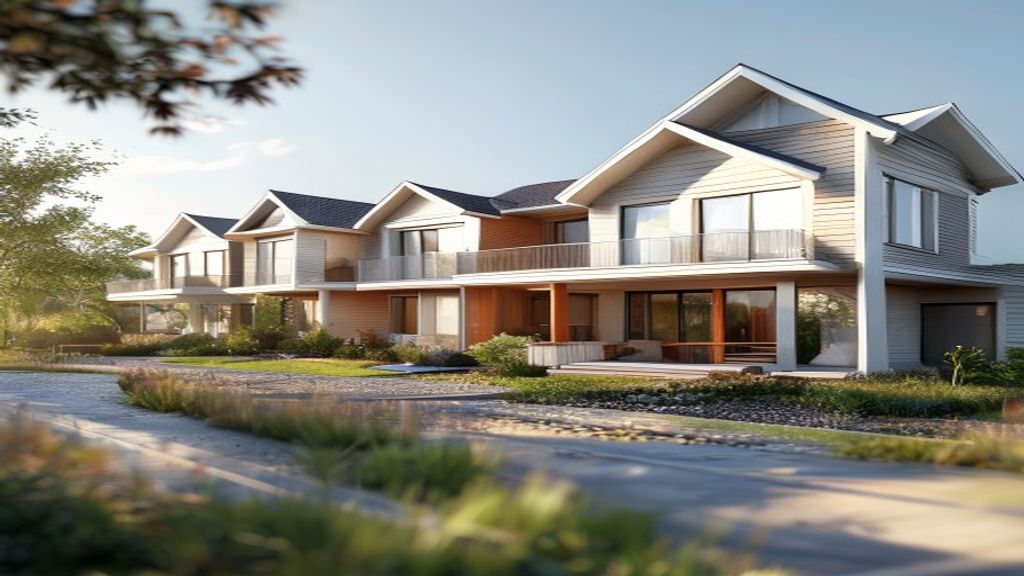
Why the buzz around new‑construction homes isn’t just hype
You walk into a freshly painted kitchen, the smell of new wood and drywall still hanging in the air. The lights are bright, the appliances gleam, and the floor feels solid under your feet. That instant sense of “nothing’s been lived in here” does more than please the eye—it sets the stage for lower upkeep costs, higher energy efficiency, and a lifestyle that fits today’s demands. Below we unpack the concrete reasons why a brand‑new house often trumps an older resale, and what that means for you.
1. Discover Why Newly Built Houses for Sale Outshine Older Resales
- Structural confidence – New homes are assembled with the latest building codes and engineering practices. When a developer follows the International Residential Code (IRC) version in effect, walls, roofs, and foundations are designed to meet current wind‑load and seismic standards. That translates to fewer surprise cracks or sagging beams down the road.
- Warranty safety net – Most reputable builders attach a 10‑year structural warranty and a 1‑year “move‑in ready” guarantee. If a pipe leaks or a window rattles within that period, the repair cost is covered—something you rarely get with a resale unless you purchase a separate home warranty.
- Up‑to‑date systems – Plumbing, electrical, and HVAC in new builds comply with the latest efficiency ratings (e.g., ENERGY STAR®). An older home may still run on outdated 80‑amp service panels, forcing costly upgrades before you can add modern appliances or electric‑vehicle chargers.
Real‑world picture: A couple in Phoenix bought a 1995 ranch home for $275 k. Within two years, they spent $12 k on a new roof, $8 k on HVAC replacement, and $5 k on water‑damage remediation. A comparable new‑construction home in the same neighborhood cost $320 k but required virtually no major repairs during the first five years, leaving the couple with a net savings despite the higher purchase price.
2. Modern Design Meets Everyday Life: What New Construction Offers You
- Open‑plan flexibility – Architects now favor fluid floor plans that blend kitchen, dining, and living spaces. This layout mirrors how families actually move: cooking while kids do homework, or hosting a gathering without feeling cramped. The absence of load‑bearing interior walls makes future remodeling painless; you can reconfigure rooms without tearing down structural elements.
- Smart‑home ready – New builds often come pre‑wired for Wi‑Fi thermostats, security cameras, and voice‑controlled lighting. Installing a Nest thermostat or Ring doorbell becomes a plug‑and‑play job rather than a costly retrofit that requires drilling through existing walls.
- Health‑focused finishes – Low‑VOC paints, formaldehyde‑free cabinetry, and better ventilation are now standard in many developments. These choices help keep indoor air quality high—a tangible benefit for households with allergies or young children.
Example in action: A first‑time buyer in Austin chose a newly built townhome because the open‑plan design let her home office sit directly across from the kitchen. When a video call came in while she was cooking, the seamless flow meant she never had to shut the door or step into a noisy hallway—a small convenience that boosted daily productivity.
3. Slash Your Bills: Energy‑Efficient Features in Newly Built Houses for Sale
When you step inside a new built home, the first thing you’ll notice isn’t just the fresh paint—it’s the way the house seems to breathe. Builders today integrate a suite of energy‑saving systems that let you keep comfort high while the utility meter stays low.
- High‑performance insulation – Fiberglass or spray‑foam walls with R‑values that exceed code requirements trap heat in winter and keep it out in summer. Homeowners in Phoenix report up to a 30 % reduction in air‑conditioning costs simply because the envelope doesn’t leak.
- LED lighting everywhere – Every fixture comes pre‑wired for LEDs, which use up to 80 % less electricity than traditional bulbs and have a lifespan measured in years, not months. Switching an entire floor plan to LEDs can shave $50‑$100 off a monthly bill.
- Energy‑Star appliances – Refrigerators, washers, and dishwashers that meet EPA standards draw less power without compromising performance. When a family in Denver paired an Energy‑Star fridge with a low‑flow dishwasher, their combined electricity use dropped noticeably within the first quarter.
- Solar‑ready roofs – Many new builds for sale include a roof deck designed to host photovoltaic panels without structural modifications. Even if you wait a few years before installing solar, the groundwork is already laid, turning future sunshine into savings.
All of these features work together like a well‑tuned orchestra: the insulation reduces the load on HVAC, the LEDs lower lighting demand, and the appliances stay efficient under that lighter load. The result is a home that costs less to run, and a budget that stretches further each month.
> Quick tip: Ask the builder for the Home Energy Rating System (HERS) score before you sign. A lower HERS number means better efficiency, and many sellers of new built homes for sale will gladly share it as a selling point.
4. Zero‑Maintenance Peace of Mind: How New Homes Reduce Unexpected Repairs
One of the biggest hidden expenses in an older resale is the “unknown.” Leaky roofs, outdated wiring, and aging plumbing can pop up without warning, turning a dream purchase into a night‑time repair marathon. New builds for sale dramatically cut that risk because every component is fresh, covered by warranties, and built to current standards.
- Modern roofing materials – Asphalt shingles with advanced polymer coatings or metal panels designed to last 25‑30 years mean you won’t be scrambling for a contractor after the first rain season.
- Plumbing that won’t drip – PEX tubing replaces the old copper rigs that are prone to corrosion. Because PEX is flexible and resistant to scale buildup, homeowners often go years without a single pipe leak.
- Electrical systems that meet today’s code – New homes feature circuit breakers with arc‑fault detection and grounding that can handle the load of home offices, EV chargers, and smart‑home hubs. This reduces the odds of tripping breakers or, worse, fire hazards.
- Warranty coverage – Most builders back the structural envelope, roof, HVAC, and major appliances with a 10‑year or longer warranty. When something does fail, you’re usually just filing a claim instead of reaching for a credit‑card‑sized emergency fund.
Because the house is essentially “brand‑new,” the maintenance checklist looks more like a seasonal cleaning schedule than a repair log. The peace of mind comes not just from fewer surprise invoices, but from the confidence that the home will behave predictably for years to come.
> Action step: Request a copy of the builder’s warranty package and note the expiration dates. Mark the warranty milestones on your calendar; when the warranty period ends, you’ll know precisely which systems are ready for a routine inspection and which still enjoy coverage.
With energy efficiency slashing your monthly expenses and a built‑in maintenance shield keeping unexpected costs at bay, a newly built house isn’t just a purchase—it’s an investment in long‑term financial comfort.
As you turn the key to your brand-new front door, you’re not just entering a house—you’re stepping into a lifestyle designed for today’s needs while anticipating tomorrow’s comfort. The energy-efficient systems that lower your monthly bills today will continue protecting your budget for years to come, while the modern finishes and thoughtful layouts will make every moment in your home feel special. Remember that choosing new construction isn’t just about avoiding the immediate repair headaches that come with older homes; it’s about investing in a living space that grows with your family, reflects your personal taste, and builds equity through the latest community developments and amenities. When you consider how these new homes incorporate smarter technology, more sustainable materials, and spaces that truly work with how we live now, the question isn’t whether to choose new construction, but how soon you can start designing the life you’ll love within those walls. Why wait for someone else’s vision when you can create the home that’s been waiting just for you?
Also Read: Beach Homes for Sale in Florida: The Complete Buyer’s Guide to Coastal Living in the Sunshine State