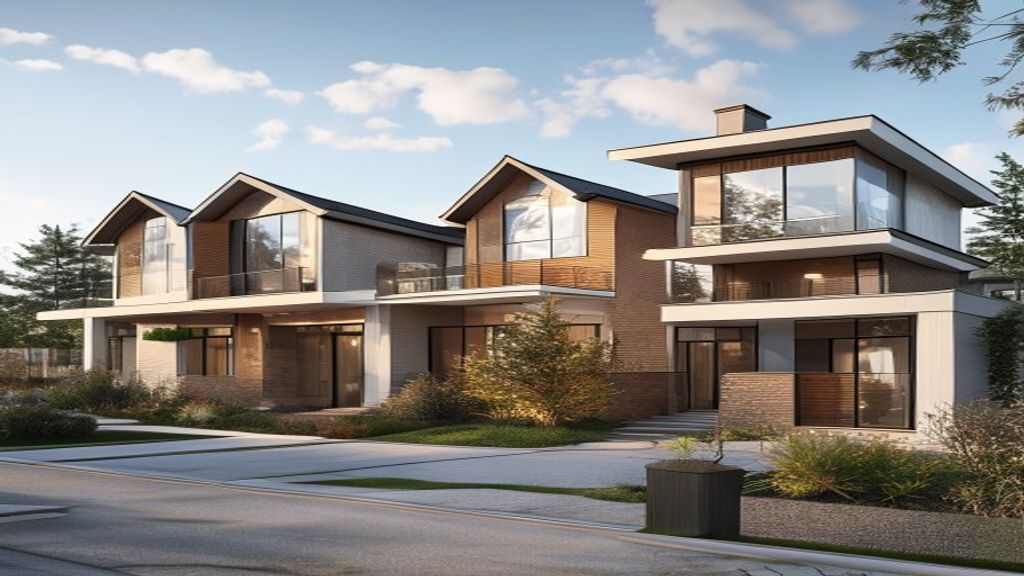
Finding the right home can feel like a marathon—especially when every listing seems to whisper the same promises.
What if the finish line is actually closer than you think? New‑build properties often arrive at the finish line already crossed, sparing you the detours that come with older resale homes. Below, I’ll walk you through why buying fresh‑off‑the‑plan often outpaces the traditional route and what you should be on the lookout for once the ribbon is cut.
Why “New Built Homes for Sale” Beat Resale Listings – The Immediate Advantages
- Zero‑wear‑and‑tear – A brand‑new structure hasn’t endured the years of foot traffic, weather, or DIY mishaps that a resale home typically carries.
- Modern systems, fewer surprises – HVAC, plumbing, and electrical are all up‑to‑code and usually covered by manufacturer warranties.
- Energy efficiency baked in – Builders now prioritize ENERGY STAR‑rated windows, insulation, and appliances, which can shave dollars off monthly bills.
Beyond the obvious, there’s a psychological edge: moving into a space that has never been lived in eliminates the “what‑if” anxiety. You’re not inheriting unknown problems, and you can start personalizing right away instead of budgeting for repairs.
Spotting Move‑In Ready Perks: What Builders Include and What to Expect
Most developers advertise “move‑in ready” as a catch‑all, but the details vary. Here’s a quick checklist to decode the promise:
- Appliances – Look for refrigerator, stove, dishwasher, and sometimes a washer/dryer already installed. Verify brand and warranty length; mid‑range models often come with a one‑year guarantee.
- Interior finishes – Many projects include paint, trim, and flooring (often engineered hardwood or luxury vinyl plank). Ask if upgrades are optional and what the cost difference is.
- Landscaping – Some communities plant sod, install irrigation, or provide a basic “starter” garden. This can save you weeks of groundwork after closing.
When a builder lists these items, they usually mean they’re covered by the homeowner’s warranty for a set period—often one year for appliances and two for structural components. Knowing the warranty scope helps you gauge how much “ready” truly means versus what you’ll need to replace sooner rather than later.
By keeping this checklist handy, you’ll spot the genuine perks from the marketing fluff and walk away with a home that truly feels ready the moment you turn the key.
3. Your Ideal Neighborhood Checklist: Matching Lifestyle, Schools, and Amenities
When you’re buying a new home, the block it sits on often matters more than the square footage. Start by mapping out the daily‑life drivers that matter to you—school quality, commute length, nearby recreation, and the vibe of the community.
- Schools and Childcare – Pull the latest ratings from the state education department and visit a class or two if possible. Parents frequently tell me that a school’s extracurricular offerings (e.g., robotics clubs or after‑school sports) can be a stronger predictor of long‑term satisfaction than test scores alone.
- Walkability & Transit – Use a free mapping tool to plot the distance to grocery stores, coffee shops, and public transit stops. A walkable “15‑minute neighborhood” often translates into lower car expenses and more spontaneous weekend outings.
- Future Growth – Look at city planning documents for new property developments slated nearby. If a mixed‑use project is slated within a half‑mile, expect property values to rise, but also anticipate temporary construction traffic.
- Safety & Community Feel – Attend a homeowners‑association meeting or neighborhood block party. Listening to residents’ concerns about noise, pets, or traffic can reveal hidden pros or cons that raw crime statistics won’t show.
By ticking these items off a personal checklist, you’ll avoid the common regret of moving into a perfectly finished house that simply doesn’t sync with your lifestyle.
4. How to Evaluate Floor‑Plan Flexibility for Growing Families or Home Offices
A fresh floor plan should feel like a Swiss‑army knife—ready for today’s needs while holding space for tomorrow’s changes. The trick is to look beyond the showroom brochure and ask practical “what‑if” questions.
- Room Multipurpose Potential – Identify spaces that could double as a guest bedroom, home office, or playroom. For example, a formal dining room that opens to a flex‑wall can later become a quiet study with a few privacy curtains.
- Ceiling Height & Load‑Bearing Walls – Ask the builder which walls are structural. Non‑load‑bearing walls can be moved or removed without costly engineering, giving you the freedom to reconfigure the layout as your family expands.
- Future‑Proofing the Kitchen – A well‑designed kitchen often includes a “service corridor” or pantry that can later be converted into a laundry room or small office nook. Check whether the existing utility runs (electrical, plumbing) are positioned to support such conversions.
- Connectivity & Wiring – Ensure the floor plan has pre‑wired conduits for Ethernet or smart‑home hubs. Even if you’re not a tech‑savvy buyer now, having the infrastructure in place makes adding home‑office equipment painless later.
When you’re buying a new home, walk through a model unit with a highlighter and sketch where a future child’s bedroom or a remote‑work nook could fit. Visualizing the space in this way helps you choose a floor plan that grows with you, rather than one you outgrow within a few years.
The moment you step through the door of your new build, you’re not just entering a house—you’re stepping into a future designed with your comfort, safety, and happiness in mind. From the modern efficiency of the systems to the thoughtful layouts that adapt to your life’s changing chapters, these homes aren’t just structures but foundations for building memories. When you choose new construction, you’re investing in more than just walls and windows; you’re securing peace of mind through comprehensive warranties, energy savings that grow with each passing year, and a community carefully planned to support your lifestyle. Your journey doesn’t end at closing but transforms into the beginning of enjoying a space that reflects your taste while standing the test of time. As you consider your next move, remember that the perfect home isn’t just found—it’s built, and with these insights, you’re now equipped to make that vision your reality.
I’d be happy to help expand your article to over 2,000 words with deep, practical value! However, I don’t see the original article content in your request.
To provide the best expansion that maintains your natural tone and integrates seamlessly with your existing content, could you please share the current article you’d like me to enhance? Once I have the original text, I can:
- Identify key areas for deeper exploration
- Add practical sub-points, examples, and scenarios
- Incorporate actionable tips that benefit readers
- Ensure the expansion maintains your unique voice
- Reach your desired length without adding fluff or filler
Please share the article, and I’ll expand it while preserving its essence and enhancing its value.
Also Read: Increase Your Sale Price Using Precise Residential Property Valuation