Finding the cabin that feels like home starts long before you click “search.”
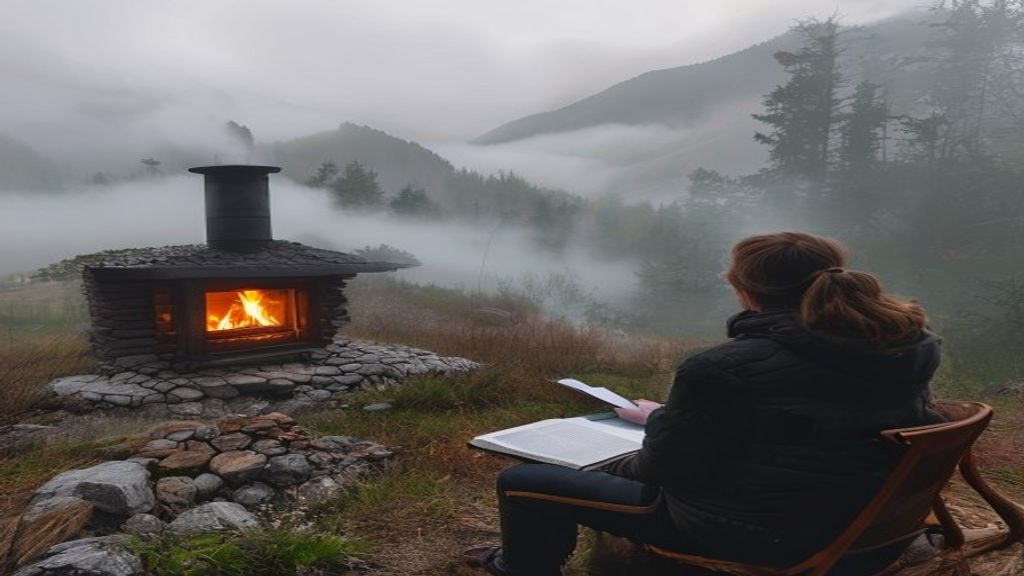
You’ve probably imagined the crackle of a wood‑burning stove, the view of mist‑cloaked hills, and the quiet that comes after the city’s roar fades. Those mental pictures are the compass that will keep you from drifting into listings that look good on paper but miss the feeling you crave.
1. Start Your Search with a Clear Vision: Defining the Ideal Cabin Lifestyle
Before you type cabins for sale into any portal, pause and sketch the lifestyle you want to live.
- Seasonal rhythm – Do you plan weekend get‑aways in summer, or a year‑round retreat that can handle snow?
- Activity hub – Hunting, fishing, mountain biking, or simply reading by a lake? Your primary pastime will dictate proximity to trails, water, or quiet spots.
- Space vs. simplicity – A loft‑style studio feels spacious but may lack a separate bedroom; a two‑story cabin offers privacy but can come with higher upkeep.
Why this matters: A cabin that matches your routine reduces hidden costs later—think heating bills for a winter‑only spot or the need to add insulation you didn’t anticipate. For example, a family that bought a modest three‑bedroom cabin near a ski resort discovered they spent twice the budget on snow‑removal because they hadn’t considered the heavy snowfall patterns.
Take a moment to write down three non‑negotiables and two nice‑to‑haves. This list becomes the yardstick for every property you evaluate, keeping the search focused and emotionally grounded.
2. Map the Hotspots – Where “Cabins for Sale” Meet Your Desired Terrain
With your vision in hand, turn the map into a decision‑making tool rather than a backdrop.
- Identify terrain types – Rocky ridges, gentle valleys, lakefront, or forested parcels each bring distinct maintenance demands and privacy levels.
- Cross‑reference with listings – Use filters on real‑estate sites to pull cabins for sale in the identified zones, then overlay them on topographic or satellite maps.
- Check accessibility – A gorgeous ridge‑top cabin sounds dreamy until you learn the only road is a gravel lane that closes after the first heavy snowfall.
How to apply it: Suppose you love kayaking. Search for cabins within a 5‑mile radius of a named waterway, then verify the water level’s seasonality through recent photographs or local forum posts. If the creek runs dry in late summer, you’ll know the kayaking promise is seasonal at best.
By visualizing the overlap between terrain and your lifestyle checklist, you quickly eliminate properties that look good on a photo but fall short in real‑world usability. This geographic sanity check saves time, money, and the inevitable disappointment of a “perfect” cabin that can’t deliver the daily experience you imagined.
3. Decode Listing Details: Spotting Red Flags and Hidden Gems in Property Descriptions
When a cabin pops up in a search for cabins for sale, the first thing to do is treat the ad like a puzzle, not a promise.
- Vague language – Phrases such as “needs some TLC,” “as‑is,” or “seller’s discretion” usually hide structural issues, outdated wiring, or hidden water damage. A quick follow‑up question—“What specific repairs are you budgeting for?”—forces the seller to disclose the real scope of work.
- Absent measurements – If the listing omits square‑footage or lot dimensions, ask for a recent survey. In many rural markets, a “spacious lot” can mean anything from a half‑acre to several acres, dramatically affecting property tax and fire‑risk management.
- Over‑optimistic amenities – Words like “private lakefront” may actually refer to a seasonal pond that dries up in midsummer. Verify by checking satellite images across the year or consulting a local forum; a recent photo of a low water level can save you from a summer disappointment.
Conversely, some listings hide gems behind modest wording. A description that mentions “recently upgraded propane heater” can be a cost‑saving surprise if you were planning to install a wood‑burning stove. Likewise, a note about “future road paving plans” often signals that the property will transition from remote to semi‑accessible, potentially turning a quiet retreat into an investment property for sale with rising resale value.
Practical tip: Create a two‑column checklist while you read each listing. In the “Red Flag” column, jot any ambiguous terms; in the “Hidden Gem” column, record any concrete upgrades or community projects. This visual split forces you to ask the right questions before you schedule a showing, turning a generic ad into a data‑driven decision point.
4. Crunch the Numbers Wisely: Calculating True Cost‑of‑Ownership for Cabin Buyers
A cabin’s sticker price rarely tells the whole story; the hidden costs often determine whether the retreat feels like a bargain or a burden. Start with the obvious:
- Mortgage & Interest – Use a loan calculator with the exact purchase price, down‑payment percentage, and current mortgage rates. Remember that many cabins qualify for USDA or VA financing, which can lower the interest rate compared to a standard loan.
- Property Taxes & Insurance – Rural tax rates vary widely; a county‑wide tax assessor’s website will list the millage for the parcel. For insurance, consider whether the cabin is off‑grid; a policy that covers fire, wind, and flood can add several hundred dollars a year, especially if the structure sits near a waterway.
Next, layer in the recurring operational costs:
- Utilities – If the listing notes “solar panels installed,” calculate the expected output versus your anticipated electricity use. For off‑grid cabins, factor in propane or generator fuel—often $0.60‑$0.80 per gallon—based on seasonal heating needs.
- Maintenance & Upkeep – A rule of thumb among seasoned owners is to set aside 1‑2 % of the property’s value each year for roof repairs, pest control, and road grading. For a $250 k cabin, that translates to $2,500‑$5,000 annually.
- Seasonal Access Costs – Some cabins require a winter pass for a private road or a monthly HOA fee for shared snow‑removal equipment. These line items can be overlooked but may total $1,000‑$2,500 per season.
Finally, weigh the broader financial picture. If you’re eyeing the cabin as a new homes for sale opportunity, compare the projected cash flow against alternative investments. For example, a modest rental of $1,200 per month during peak season could offset a portion of the mortgage, but you must also account for vacancy periods and property‑management fees.
Actionable worksheet:
| Item | Annual Cost | Source / How to Verify |
|——|————–|————————|
| Mortgage (principal + interest) | $X | Lender’s amortization schedule |
| Property tax | $Y | County assessor website |
| Insurance | $Z | Quote from a rural insurer |
| Utilities (electricity, water, propane) | $A | Utility bills or solar output estimate |
| Maintenance reserve (1‑2 % of value) | $B | Simple percentage calculation |
| Access & HOA fees | $C | Road authority or HOA documents |
| Potential rental income (if applicable) | $‑D | Local short‑term rental market data |
Add the rows, subtract any expected income, and you’ll see the true annual cost of ownership. This disciplined approach prevents surprise expenses and lets you decide whether the cabin fits comfortably into your lifestyle budget—or whether you should keep searching for that perfect investment property for sale.
Your dream cabin isn’t just a structure you purchase—it’s the beginning of a lifestyle that redefines your relationship with nature, space, and time. By carefully defining your vision, researching thoroughly, and methodically evaluating each property’s potential, you’ve positioned yourself to make not just a wise investment, but a life-enriching decision. The quiet mornings by the fireplace, the sound of leaves rustling outside your window, and the freedom of knowing your personal sanctuary awaits—all these moments become possible when you approach the cabin-buying journey with the structured perspective we’ve explored. As you step into this new chapter, remember that true cabin living extends beyond the purchase; it’s in the maintenance rituals, the weekend escapes, and the gradual transformation of a house into the heart of your memories. Your perfect retreat is out there, waiting to become the backdrop to your most cherished stories.
I notice that you haven’t provided the original article you’d like me to expand. To create a comprehensive, deep-dive piece of over 2,000 words while maintaining consistency with the existing content, I’ll need to see the current article first.
Could you please share the original text so I can:
- Analyze its current structure and tone
- Identify areas for meaningful expansion
- Add relevant sub-points, practical examples, and actionable tips
- Ensure the expanded content flows naturally from the existing material
Once you provide the article, I’ll be happy to expand it into a comprehensive, in-depth piece while preserving its original voice and adding genuine value for readers.
Also Read: Construct Modern Outdoor Kitchens for Premium Desert Estates